
Extra Long Handled Dipper
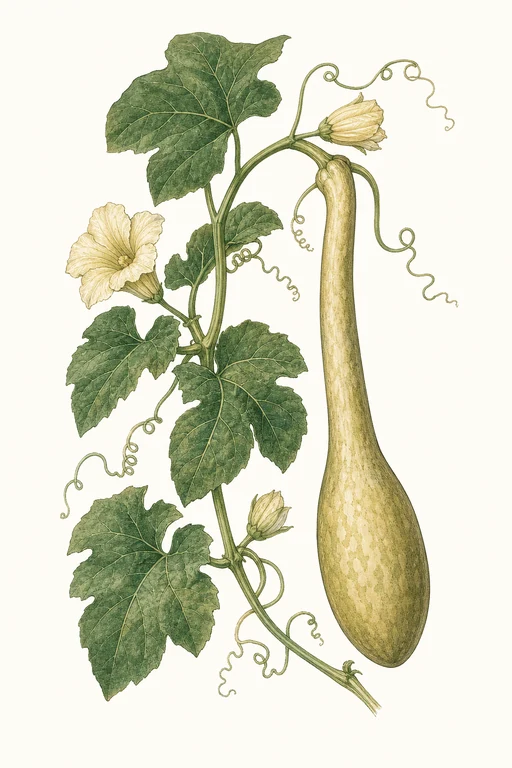
Warm, sunlit flesh and a clean, gourd-sweet aroma greet you as the Extra Long Handled Dipper matures into a slender, handle-formed silhouette.
The skin turns a refined, pale green to creamy straw as it cures, with a firm, dry texture that holds its shape beautifully—ideal for creating sturdy, reusable dipper forms and decorative serving pieces. Grow it for its distinctive long neck and graceful “handle” profile, then let the season’s slow, steady development reward you with a truly one-of-a-kind gourd.
Light: Full SunMaturity: 120 DaysHabit: Vine
Planting schedules and alerts are optimized for Columbus (Zone 6b).
Crop Dates
| Milestone | Date |
|---|---|
| Start Indoors | Apr 11th |
| Last Frost | Apr 25th |
| Transplant / Sow Outdoors | Apr 25th |
| Harvest Begins | Aug 23rd |
| Harvest Ends | Oct 16th |
Crop Details
| Trait | Value |
|---|---|
| Days to Maturity | 120 |
| Sun Requirements | Full Sun |
| Growth Habit | Vine |
| Support Needed | Trellis |
| Planting Depth | Normal |
| Germination Temp (°F) | 70 |
| Min Soil Temp (°F) | 65 |
| Min Night Temp (°F) | 55 |
| Harden Off (days) | 10 |
Culinary Notes

Chef's Note
Extra Long Handled Dipper is a culinary gourd with a mild, sweet smell and a structure that stays put—ideal when you want slices or cubes that don’t turn mushy under heat. When it’s cured and dry, treat it more like a sturdy vessel: soak and season as needed, because the flavor stays subtle and the texture is the real show.

Best Uses
- fresh (young) slices in quick sautés or stir-fries where it stays snappy
- chunky pickles or brine-ferments—its dry structure holds up to salt and acidity
- stuff-and-bake “dipper” boats using the slender neck as a handy vessel
- seasoned roasted rounds or cubes where the edges crisp lightly

Flavor Profile

Frequently Asked Questions
What’s the most common pest/disease problem for Lagenaria siceraria (bottle gourd), and how do I control it at home?
How often should I water Lagenaria siceraria during active vine growth (after it flowers begins)?
How can I tell when Lagenaria siceraria (extra-long bottle gourd) is ready to harvest at ~120 days?
Sowing Tips

Transplant Conditions
Wait until soil reaches 65°F and nights stay above 55°F before moving outdoors. Harden off for 10 days first.

Direct Sow Preferred
Sensitive roots — does not transplant well. If starting indoors, use biodegradable pots and disturb roots as little as possible when moving outdoors.
Expert Note

Start seeds only when nights are consistently warm and plan on a long growing season; regular watering and trellising help maximize the long, uniform “handle” shape.