
Fastigiata (Hopi Red Dye)
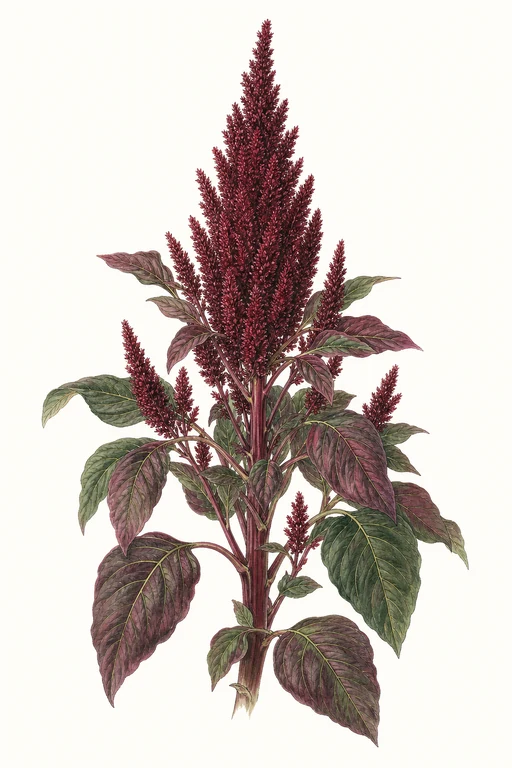
Feel the velvet-deep, wine-red richness of Hopi Red Dye amaranth—its plumes unfurl with a dramatic, almost luminous glow that turns the garden into a living bouquet.
At maturity, the tender leaves and sturdy stems offer a pleasantly earthy, slightly sweet flavor with a succulent, crisp bite, ideal for fresh use and for turning into vibrant color for sauces and pickling. Grow Fastigiata for dependable, 90-day performance and striking, upright form that keeps its beauty from first emergence through harvest.
Light: Full SunMaturity: 90 DaysHabit: Upright
Planting schedules and alerts are optimized for Columbus (Zone 6b).
Crop Dates
| Milestone | Date |
|---|---|
| Start Indoors | Direct Sow |
| Last Frost | Apr 25th |
| Transplant / Sow Outdoors | Apr 25th |
| Harvest Begins | Jul 24th |
| Harvest Ends | Oct 16th |
Crop Details
| Trait | Value |
|---|---|
| Days to Maturity | 90 |
| Sun Requirements | Full Sun |
| Growth Habit | Upright |
| Support Needed | None |
| Planting Depth | Normal |
| Germination Temp (°F) | 70 |
| Min Soil Temp (°F) | 60 |
| Min Night Temp (°F) | 50 |
| Harden Off (days) | Not Required |
Culinary Notes

Chef's Note
Hopi Red Dye amaranth gives you a leafy, crisp-tender mouthfeel with an earthy sweetness that holds up when heat knocks the raw bitterness out. The wine-red color makes sauces and pickles look like they mean business, even when the flavor stays grounded and green.

Best Uses
- chop the young leaves for quick stir-fries where they stay snappy
- blanch and shock, then dress with a tart vinaigrette to sharpen the earthy edge
- steam or fold into warm grains for a leafy, juicy spoonful
- use the deeper stems/leaves to color pickles and quick pan sauces

Flavor Profile

Frequently Asked Questions
What pest or disease most often affects Amaranthus cruentus (Hopi Red Dye), and how can I manage it?
How often should I water Amaranthus cruentus during its main growing phase?
How do I tell when Amaranthus cruentus (Fastigiata/Hopi Red Dye) is ready to harvest?
Sowing Tips

Transplant Conditions
Wait until soil reaches 60°F and nights stay above 50°F before moving outdoors.
Expert Note

For the best red pigmentation and yield, grow it in full sun with warm soil and keep moisture steady until plants are established.