
Fava Bean 'Diana'
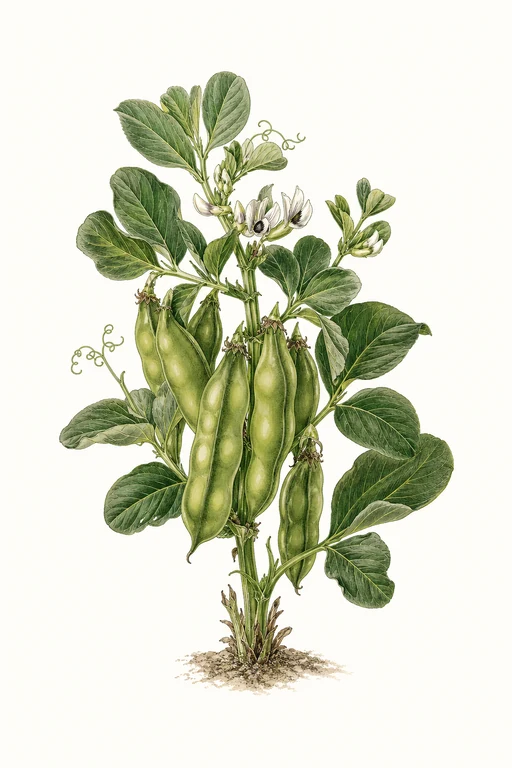
Velvety pods of Fava Bean ‘Diana’ open to reveal plump, tender seeds with a sweet, green-bean fragrance and a buttery, melt-in-the-mouth texture.
The plants form sturdy, upright growth that sets generously, making ‘Diana’ a delight for gardeners who want a reliable harvest at about 85 days. Enjoy ‘Diana’ for fresh, spoonable savoriness and for vibrant purées and spreads that showcase its naturally mellow sweetness.
Light: Full SunMaturity: 85 DaysHabit: Upright
Planting schedules and alerts are optimized for Columbus (Zone 6b).
Crop Dates
| Milestone | Date |
|---|---|
| Start Indoors | Direct Sow |
| Last Frost | Apr 25th |
| Transplant / Sow Outdoors | Apr 25th |
| Harvest Begins | Jul 19th |
| Harvest Ends | Oct 16th |
Crop Details
| Trait | Value |
|---|---|
| Days to Maturity | 85 |
| Sun Requirements | Full Sun |
| Growth Habit | Upright |
| Support Needed | None |
| Planting Depth | Normal |
| Germination Temp (°F) | 55 |
| Min Soil Temp (°F) | 40 |
| Min Night Temp (°F) | 28 |
| Harden Off (days) | Not Required |
Culinary Notes

Chef's Note
When “Diana” hits its tender stage, the seeds go velvety and buttery—perfect for spoon-eating and purées that turn silky without needing heavy tricks. Its mellow sweetness plays especially well with bright lemon and rich dairy, so it tastes like spring without getting vegetal or grassy.

Best Uses
- fresh, spooned-out beans dressed with olive oil and lemon
- silky fava purée for crostini or as a dollop over warm grains
- smashed fava-bean spreads mixed with cheese for thick, scooping texture
- light sauté of just-shelled beans with butter until glossy and soft

Flavor Profile

Kitchen Pairings
Frequently Asked Questions
What pest or disease most commonly affects Vicia faba (fava beans), and what should I do if I see it?
How often should I water Vicia faba during the main growing phase (flowering to pod fill)?
How can I tell when Vicia faba ‘Diana’ is ready to harvest?
Sowing Tips

Transplant Conditions
Wait until soil reaches 40°F and nights stay above 28°F before moving outdoors.
Expert Note

Sow fava beans in cool weather and keep them evenly moist early to support strong root development before heat arrives.