
Fine Curled
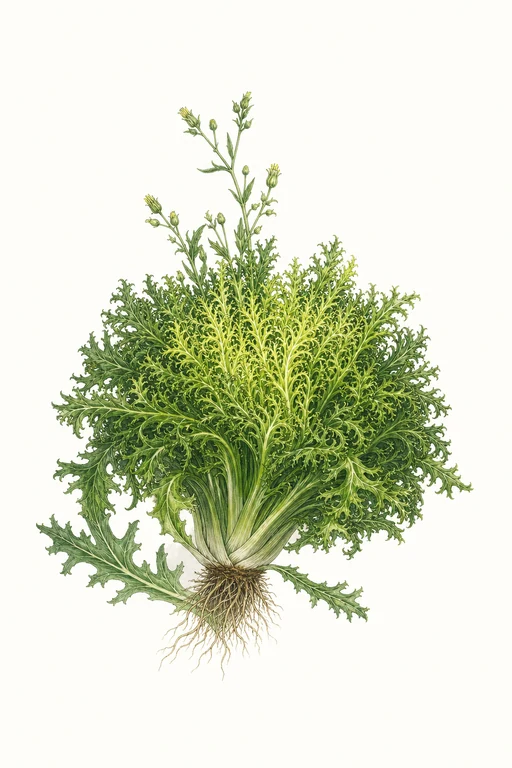
Lush, frilly heads unfurl in a cascade of crisp, finely curled leaves with a cool, lightly bitter snap and a bright, fresh green charm.
“Fine Curled” forms compact rosettes that hold their texture beautifully, making each bite feel airy and lively. Ideal for fresh salads and as a standout base for elegant garnishes, its delicate fronded look brings instant garden-to-plate appeal.
Light: Full SunMaturity: 55 DaysHabit: Rosette
Planting schedules and alerts are optimized for Columbus (Zone 6b).
Crop Dates
| Milestone | Date |
|---|---|
| Start Indoors | Mar 28th |
| Last Frost | Apr 25th |
| Transplant / Sow Outdoors | Apr 18th |
| Harvest Begins | Jun 12th |
| Harvest Ends | Oct 16th |
Crop Details
| Trait | Value |
|---|---|
| Days to Maturity | 55 |
| Sun Requirements | Full Sun |
| Growth Habit | Rosette |
| Support Needed | None |
| Planting Depth | Surface |
| Germination Temp (°F) | 70 |
| Min Soil Temp (°F) | 40 |
| Min Night Temp (°F) | 32 |
| Harden Off (days) | 6 |
Culinary Notes

Chef's Note
Fine Curled frisee gives you that unmistakable cool bitterness with a genuinely crisp, fronded snap—so dress lightly and eat promptly to keep it lively. It’s made for sharp, salty partners (lemon, Parmesan, anchovy) and fats like olive oil to round the bite without flattening the bitey edge.

Best Uses
- tossed salads with a sharp vinaigrette that clings to the frilly leaves
- charmless-but-smart riff on classic Caesar—use as the main crunch bed
- warm-braised applications where you want bitter edges to soften without turning mushy
- garnish swirls for composed plates—frisee stays upright and crisp

Flavor Profile

Kitchen Pairings
Frequently Asked Questions
What’s a common problem for Cichorium endivia (frisée/fine curled) and how do I manage it?
How often should I water Cichorium endivia during the main growing period?
How do I know when Cichorium endivia (fine curled) is ready to harvest?
Sowing Tips

Transplant Conditions
Wait until soil reaches 40°F and nights stay above 32°F before moving outdoors. Harden off for 6 days first.
Expert Note

For the crispiest frisee, keep plants cool and avoid heat stress by transplanting before sustained warm weather and watering consistently.