
Flash
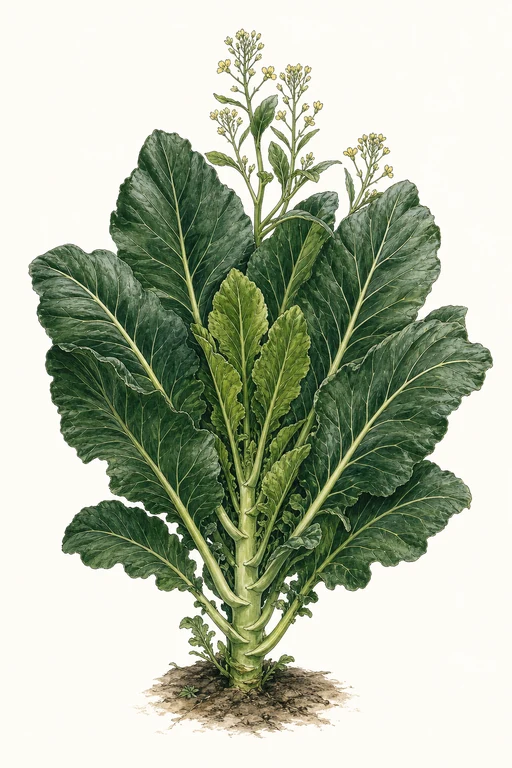
Meet Flash collards for a rush of deep, velvety green—leaves that feel substantial and cushiony, with a crisp snap that holds up beautifully.
At maturity in about 60 days, this variety forms an upright, dependable rosette of broad, smooth foliage prized for bold, savory greens in hearty preparations, from slow-simmered classics to quick skillet-style servings and robust sauces. Grow Flash for a steady harvest window and a rich, garden-fresh flavor that stays satisfying from first picking onward.
Light: Full SunMaturity: 60 DaysHabit: Rosette
Planting schedules and alerts are optimized for Columbus (Zone 6b).
Crop Dates
| Milestone | Date |
|---|---|
| Start Indoors | Mar 28th |
| Last Frost | Apr 25th |
| Transplant / Sow Outdoors | Apr 25th |
| Harvest Begins | Jun 24th |
| Harvest Ends | Oct 16th |
Crop Details
| Trait | Value |
|---|---|
| Days to Maturity | 60 |
| Sun Requirements | Full Sun |
| Growth Habit | Rosette |
| Support Needed | None |
| Planting Depth | Normal |
| Germination Temp (°F) | 45 |
| Min Soil Temp (°F) | 40 |
| Min Night Temp (°F) | 32 |
| Harden Off (days) | 6 |
Culinary Notes

Chef's Note
Flash collards land with big, forgiving leaf structure—cushiony yet crisp enough to survive heat without turning to watery mush. Braise them until tender but still spoonable, then sharpen the finish with acid and fat so the greens’ natural bitterness reads as hearty, not harsh.

Best Uses
- low-and-slow braise with smoked fat for silky, spoonable leaves
- quick skillet wilt and sear for tender-with-a-snap greens
- thick, sturdy greens for thickening broth-based soups and stews
- puree/blend into a glossy, savory sauce for pasta or grains

Flavor Profile

Kitchen Pairings
Frequently Asked Questions
What pest or disease most often affects Brassica oleracea (collards), and how can I control it?
How much should I water Brassica oleracea collards during the main growing phase?
How do I know when Brassica oleracea collards are ready to harvest?
Sowing Tips

Transplant Conditions
Wait until soil reaches 40°F and nights stay above 32°F before moving outdoors. Harden off for 6 days first.
Expert Note

For best continuous leaf harvest and bolt resistance, keep plants evenly watered and avoid transplanting into cold stress or overly hot conditions.