
Flashy Butter Oak
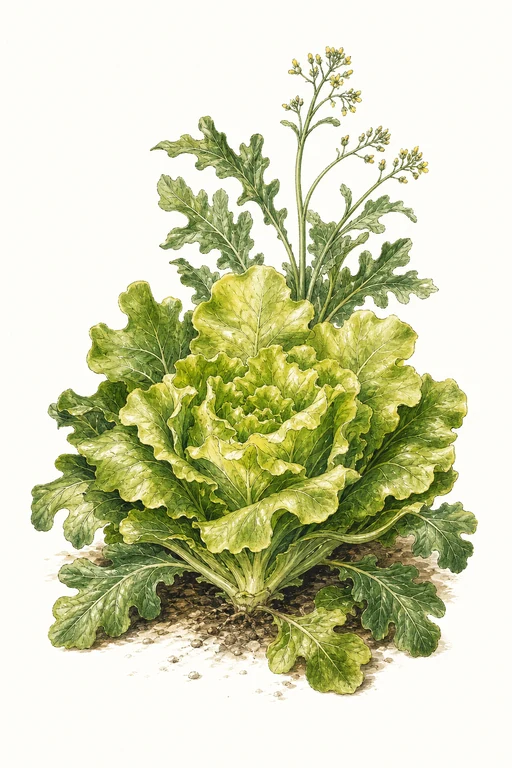
Velvety, buttery leaves unfurl in a luminous rosette—Flashy Butter Oak brings a rich, tender crunch with a softly sweet, fresh-green flavor.
At maturity (about 50 days), its heads form a compact, spoon-shaped butterhead with a crisp yet yielding texture that stays pleasantly delicate. Ideal for garden-fresh salads and elegant platters, Flashy Butter Oak is a standout choice when you want beauty, tenderness, and a clean, bright bite in every serving.
Light: Part SunMaturity: 50 DaysHabit: Rosette
Crop Dates : 4b
| Milestone | Date |
|---|---|
| Start Indoors | Apr 15th |
| Last Frost | May 13th |
| Transplant / Sow Outdoors | May 6th |
| Harvest Begins | Jun 25th |
| Harvest Ends | Sep 27th |
Crop Details
| Trait | Value |
|---|---|
| Days to Maturity | 50 |
| Sun Requirements | Part Sun |
| Growth Habit | Rosette |
| Support Needed | None |
| Planting Depth | Surface |
| Germination Temp (°F) | 65 |
| Min Soil Temp (°F) | 40 |
| Min Night Temp (°F) | 32 |
| Harden Off (days) | 6 |
Culinary Notes

Chef's Note
Flashy Butter Oak is built for tenderness: its spoon-shaped heads keep that yielding, buttery crunch even once dressed, so it won’t turn papery fast. Pair it with clean, bright acids and salty fats so the sweetness reads as fresh rather than bland.

Best Uses
- chopped salad plates where leaves must stay tender and not crackle
- briefly tossed greens with warm bacon fat or butter so they glaze, not wilt
- simple vinaigrette with light acidity (lemon, champagne vinegar) to keep the sweetness up front
- make-ahead salad prep by layering dressed ingredients with dry leaves on top to preserve structure

Flavor Profile

Kitchen Pairings
Frequently Asked Questions
What pests or diseases commonly hit Lactuca sativa (lettuce) and how can I prevent and treat them?
How often should I water Lactuca sativa during the main growing phase to keep it crisp and prevent problems?
How do I tell when Flashy Butter Oak lettuce (Lactuca sativa) is ready to harvest?
Sowing Tips

Transplant Conditions
Wait until soil reaches 40°F and nights stay above 32°F before moving outdoors. Harden off for 6 days first.
Expert Note

Start indoors for a head start, but transplant only when nights are consistently above ~35°F to avoid slow, stunted growth in cold snaps.