
Fordhook Giant
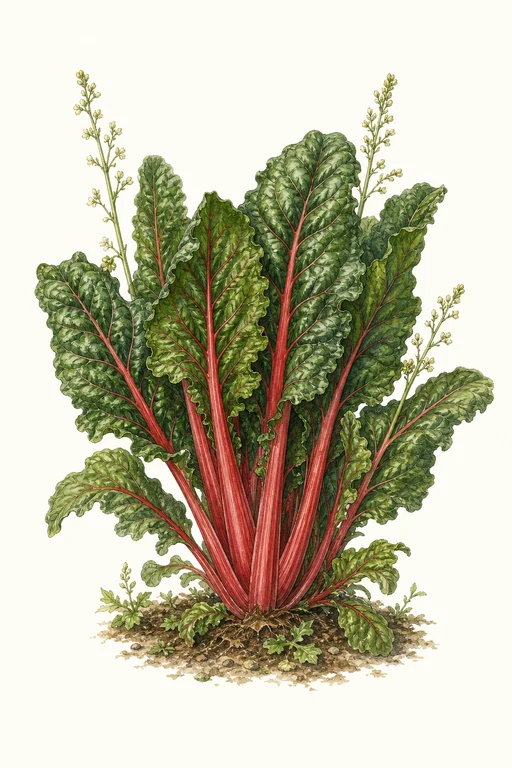
Sink your spoon into the lush, velvety leaves of Fordhook Giant Swiss Chard, where tender ribs unfurl in bold color and the foliage holds a satisfying, succulent bite.
Expect a deep, earthy green leaf with thick, crisp stems that stay pleasantly mild and sweet—ideal for turning everyday meals into colorful garden triumphs. Grow Fordhook Giant for dependable harvests around 50 days, and enjoy its versatility in fresh bunches, quick sautés, and vibrant sauces or pickled accents.
Light: Full SunMaturity: 50 DaysHabit: Rosette
Planting schedules and alerts are optimized for Columbus (Zone 6b).
Crop Dates
| Milestone | Date |
|---|---|
| Start Indoors | Direct Sow |
| Last Frost | Apr 25th |
| Transplant / Sow Outdoors | Apr 25th |
| Harvest Begins | Jun 14th |
| Harvest Ends | Oct 16th |
Crop Details
| Trait | Value |
|---|---|
| Days to Maturity | 50 |
| Sun Requirements | Full Sun |
| Growth Habit | Rosette |
| Support Needed | None |
| Planting Depth | Normal |
| Germination Temp (°F) | 70 |
| Min Soil Temp (°F) | 45 |
| Min Night Temp (°F) | 28 |
| Harden Off (days) | Not Required |
Culinary Notes

Chef's Note
Fordhook Giant’s thick, crisp stems and mild sweetness make it a spoonable green—you want heat that steams it through without turning it harsh. Choose it when you want the flavor of “real greens” but the texture to stay lively, especially in sautés and quick braises.

Best Uses
- quick sautéed ribbons where the stems stay snappy
- braised chard with a fast pan sauce that clings to the ribs
- leaves tossed into hot pasta with butter and a squeeze of citrus
- blanched-and-chilled chop for grain bowls and vinaigrette

Flavor Profile

Kitchen Pairings
Frequently Asked Questions
What pest or disease most commonly affects Swiss chard (Beta vulgaris var. cicla), and what should I do?
How often should I water Swiss chard during its main growth to keep it thriving?
How can I tell when Fordhook Giant Swiss chard is ready to harvest?
Sowing Tips

Transplant Conditions
Wait until soil reaches 45°F and nights stay above 28°F before moving outdoors.
Expert Note

For the sweetest, less-bitter leaves, transplant into steadily warming soil and keep moisture consistent through summer heat.