
Full Heart Batavian
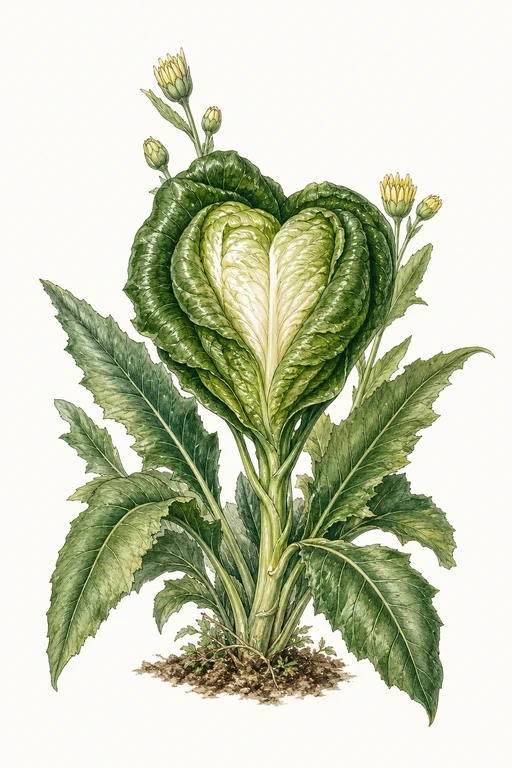
Sink your spoon into Full Heart Batavian’s lush, tightly cupped leaves, where a cool, crisp bite meets a pleasantly mellow bitterness.
At maturity (about 70 days), plants form broad, heart-shaped heads with a dense, buttery texture that stays satisfying from first harvest through repeat picking. Ideal for fresh salads and elegant braises, Full Heart Batavian brings a refined, garden-fresh crunch to every plate it graces.
Light: Full SunMaturity: 70 DaysHabit: Rosette
Planting schedules and alerts are optimized for Columbus (Zone 6b).
Crop Dates
| Milestone | Date |
|---|---|
| Start Indoors | Mar 28th |
| Last Frost | Apr 25th |
| Transplant / Sow Outdoors | Apr 18th |
| Harvest Begins | Jun 27th |
| Harvest Ends | Oct 16th |
Crop Details
| Trait | Value |
|---|---|
| Days to Maturity | 70 |
| Sun Requirements | Full Sun |
| Growth Habit | Rosette |
| Support Needed | None |
| Planting Depth | Normal |
| Germination Temp (°F) | 70 |
| Min Soil Temp (°F) | 40 |
| Min Night Temp (°F) | 32 |
| Harden Off (days) | 6 |
Culinary Notes

Chef's Note
Full Heart Batavian stays tightly structured, so it holds a satisfying bite in salads without turning harsh. When you braise it, the mellow bitterness melts into a gentle, spoonable tang—ideal with salty fat and a bright acidic finish.

Best Uses
- shaved or torn-leaf salads with a creamy emulsion
- quick sauté or pan-braising to turn crunch into silky tenderness
- braise-and-glaze servings where bitterness rounds out
- endive cups for composed bites with salt-fat contrast

Flavor Profile

Kitchen Pairings
Frequently Asked Questions
What pest or disease commonly affects Cichorium endivia (Batavian/Frisée-type) and how do I control it?
How often should I water Cichorium endivia during the main growing phase?
How can I tell when Cichorium endivia is ready to harvest?
Sowing Tips

Transplant Conditions
Wait until soil reaches 40°F and nights stay above 32°F before moving outdoors. Harden off for 6 days first.
Expert Note

For the sweetest, least-bitter leaves, keep plants evenly watered and avoid heat—endive performs best with cool weather and, if desired, blanching to reduce bitterness.