
Galantina
Galantina chicory brings a luminous, gently bitter snap with a cool, green elegance that feels unmistakably Italian.
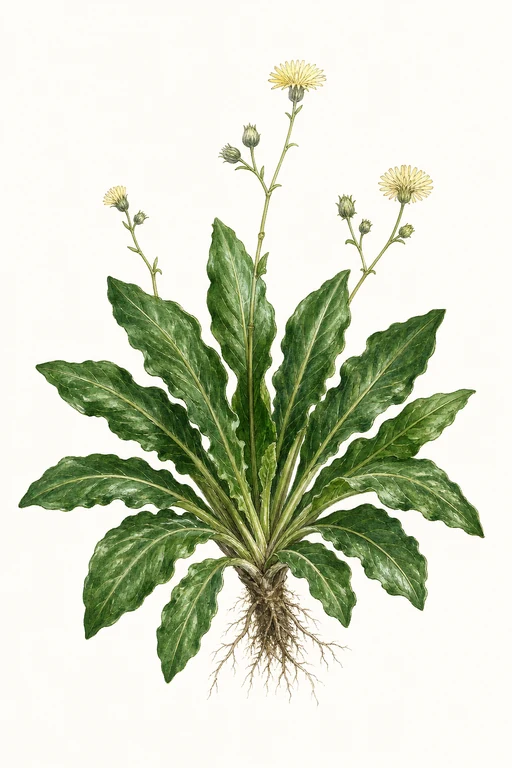
At maturity, the rosettes form crisp, tender leaves with a fine, slightly ruffled texture—ideal for braising-style preparations, bold sautés, and classic sauces where its clean bitterness balances richness. Grow Galantina for a garden-to-table favorite that rewards attention with a refined, leafy bite at about 55 days.
Light: Part SunMaturity: 55 DaysHabit: Rosette
Planting schedules and alerts are optimized for Columbus (Zone 6b).
Crop Dates
| Milestone | Date |
|---|---|
| Start Indoors | Direct Sow |
| Last Frost | Apr 25th |
| Transplant / Sow Outdoors | Apr 25th |
| Harvest Begins | Jun 19th |
| Harvest Ends | Oct 16th |
Crop Details
| Trait | Value |
|---|---|
| Days to Maturity | 55 |
| Sun Requirements | Part Sun |
| Growth Habit | Rosette |
| Support Needed | None |
| Planting Depth | Normal |
| Germination Temp (°F) | 45 |
| Min Soil Temp (°F) | 40 |
| Min Night Temp (°F) | 28 |
| Harden Off (days) | Not Required |
Culinary Notes

Chef's Note
Galantina chicory is a refined bitter leaf—its texture stays lively under heat, so it won’t collapse into swampy greens. Use it when you want bitterness to cut through fat (butter/anchovy/cheese) and still taste fresh and green, not harsh.

Best Uses
- sautéed chicory with a hot, glossy oil to tame the bitterness
- braised rosettes in a light, salty broth until the ribs soften but the leaves still bite
- bitter-forward sauces where you want a clean, green balance against fat
- shaved or torn leaves in a salad dressed just enough to coat without weeping

Flavor Profile

Kitchen Pairings
Frequently Asked Questions
How do I manage powdery mildew on Cichorium intybus (Galantina/Catalogna) in warm, humid weather?
How often should I water Cichorium intybus during the main growing phase, and what soil moisture level should I maintain?
When is Galantina (Cichorium intybus) ready to harvest, and what signs should I look for?
Sowing Tips

Transplant Conditions
Wait until soil reaches 40°F and nights stay above 28°F before moving outdoors.
Expert Note

Italian dandelion (including Galantina) does best in cool weather—keep soil evenly moist and harvest young leaves for the mildest flavor.