
Galilee Spinach
Galilee Spinach arrives with a lush, tender harvest—silky leaves that feel cool and velvety to the touch, with a fresh, sweet-green flavor that’s wonderfully balanced.
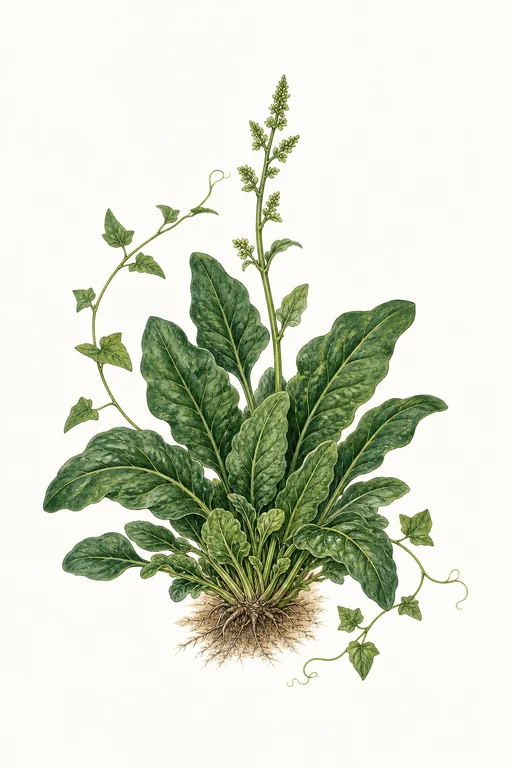
At about 35 days, plants form a compact rosette of crisp, medium-to-dark green foliage that stays pleasantly tender for easy, satisfying use in everyday greens. Ideal for fresh salads and quick sauté-style dishes, it also shines when folded into warm sauces and hearty soups for a vibrant green finish.
Light: Part SunMaturity: 35 DaysHabit: Rosette
Crop Dates : 1b
| Milestone | Date |
|---|---|
| Start Indoors | Direct Sow |
| Last Frost | Jun 1st |
| Transplant / Sow Outdoors | Jun 1st |
| Harvest Begins | Jul 6th |
| Harvest Ends | Aug 1st |
Crop Details
| Trait | Value |
|---|---|
| Days to Maturity | 35 |
| Sun Requirements | Part Sun |
| Growth Habit | Rosette |
| Support Needed | None |
| Planting Depth | Normal |
| Germination Temp (°F) | 70 |
| Min Soil Temp (°F) | 45 |
| Min Night Temp (°F) | 32 |
| Harden Off (days) | 5 |
Culinary Notes

Chef's Note
Galilee Spinach is built for short contact—its tender, velvety leaves wilt fast and stay sweet, so you get a glossy green blanket instead of fibrous chew. Use it either raw in a crisp salad or folded into hot food at the very end so it keeps that silky texture.

Best Uses
- quick sauté until just wilted, so it stays glossy and soft
- tossed raw in salads with creamy or acidic dressings
- folded into warm soups for a green, spoonable finish
- steamed briefly then finished with butter or olive oil for a clean, sweet bite

Flavor Profile

Kitchen Pairings
Frequently Asked Questions
What pest or disease commonly affects Galilee spinach (Spinacia oleracea), and how can I treat it?
How often should I water Galilee spinach during the main growing phase to prevent bolting and poor leaf growth?
How do I know when Galilee spinach is ready to harvest?
Sowing Tips

Transplant Conditions
Wait until soil reaches 45°F and nights stay above 32°F before moving outdoors. Harden off for 5 days first.
Expert Note

For Galilee’s heat tolerance, sow/transplant as temperatures warm but keep young plants consistently moist to prevent bolting.