
Gecofure
Aromatic as fresh sunlight, Gecofure Italian Basil fills the garden with a vivid, sweet-clove fragrance and a clean, green snap.
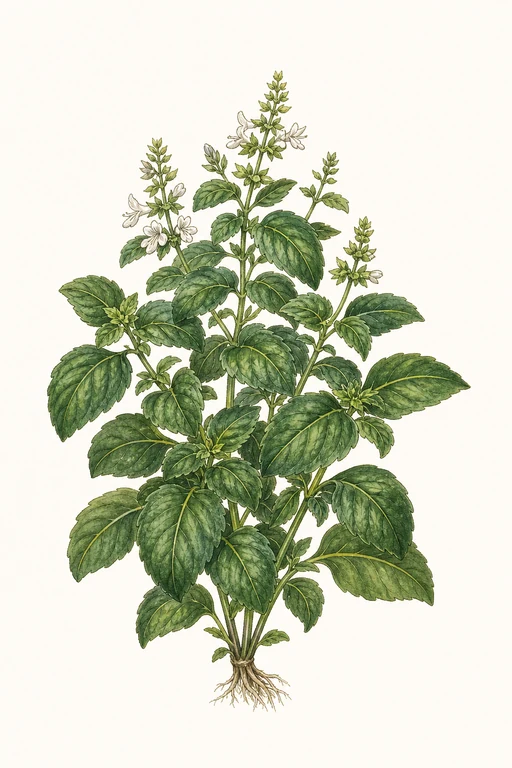
Its leaves are tender and richly textured—deeply veined, softly cupped, and beautifully uniform—ideal for gathering again and again at peak flavor. Grow Gecofure for classic Italian-style pesto and bright, herb-forward sauces, or for fresh garnishing that turns everyday dishes into something fragrant and alive.
Light: Full SunMaturity: 45 DaysHabit: Upright
Crop Dates : 8a
| Milestone | Date |
|---|---|
| Start Indoors | Mar 4th |
| Last Frost | Apr 1st |
| Transplant / Sow Outdoors | May 20th |
| Harvest Begins | Jul 4th |
| Harvest Ends | Nov 5th |
Crop Details
| Trait | Value |
|---|---|
| Days to Maturity | 45 |
| Sun Requirements | Full Sun |
| Growth Habit | Upright |
| Support Needed | None |
| Planting Depth | Normal |
| Germination Temp (°F) | 75 |
| Min Soil Temp (°F) | 60 |
| Min Night Temp (°F) | 50 |
| Harden Off (days) | 10 |
Culinary Notes

Chef's Note
This Italian basil leans sweet and perfumed—built for pesto and for sauces where you want that clove-spark without bitterness. Use it torn or lightly blitzed so the leaves keep their snap and the fragrance pops right when you eat.

Best Uses
- classic Italian pesto where the leaves emulsify into a glossy, fragrant paste
- quick herb sauces (blitzed with olive oil and lemon) for tossing with hot pasta off-heat
- tear-and-dress finishing: sheet-pan vegetables, grilled fish, and tomato slices where the aroma stays high

Flavor Profile

Kitchen Pairings
Frequently Asked Questions
What pest or disease problem most often affects Ocimum basilicum (basil), and how can I manage it?
How often should I water Ocimum basilicum during active growth, and what soil moisture level should I aim for?
How do I tell when Ocimum basilicum is ready to harvest?
Sowing Tips

Transplant Conditions
Wait until soil reaches 60°F and nights stay above 50°F before moving outdoors. Harden off for 10 days first.
Expert Note

For fastest, uniform pesto-ready harvests, start indoors for sturdy transplants and keep seedlings warm until nights reliably stay above 50°F.