
German Red
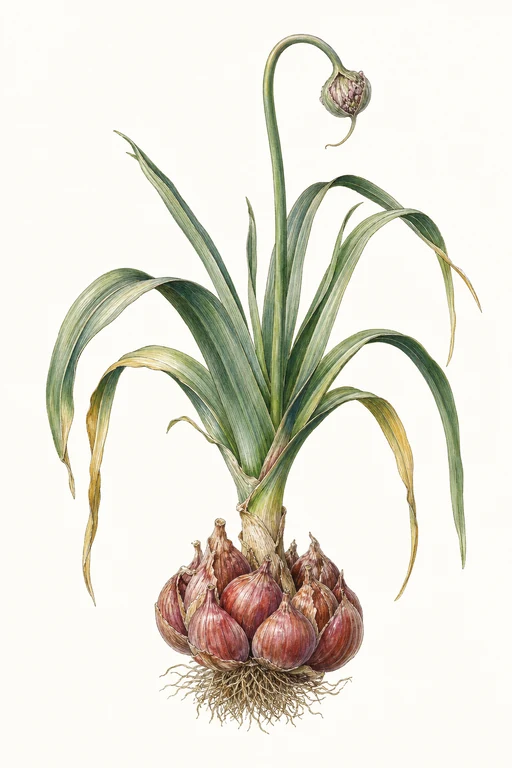
Experience German Red’s bold, lingering aroma and richly complex bite—garlic cloves that roast to a mellow sweetness while still carrying a deep, savory backbone.
The bulbs form with a strong hardneck character, producing firm, easy-to-separate cloves wrapped in handsome, warm reddish-purple skins. Grow German Red for dependable, cold-hardy performance and for flavorful results in sauces, sautés, and pickled preparations.
Light: Full SunMaturity: 240 DaysHabit: Bulbing
Location not set yet
Location not set yet
Enter your ZIP for local crop dates
German Red Planting Dates by USDA Zone
Estimated US hardiness-zone windows for sow, transplant, and harvest. Enter a US ZIP above for exact local dates, or open a zone below.
| Zone | Start Indoors | Sow / Transplant | Harvest |
|---|---|---|---|
| Zone 1a | Protected Environment Only | ||
| Zone 1b | Protected Environment Only | ||
| Zone 2a | Protected Environment Only | ||
| Zone 2b | Protected Environment Only | ||
| Zone 3a | Protected Environment Only | ||
| Zone 3b | Protected Environment Only | ||
| Zone 4a | Protected Environment Only | ||
| Zone 4b | Protected Environment Only | ||
| Zone 5a | Protected Environment Only | ||
| Zone 5b | Protected Environment Only | ||
| Zone 6a | Protected Environment Only | ||
| Zone 6b | Protected Environment Only | ||
| Zone 7a | Protected Environment Only | ||
| Zone 7b | Protected Environment Only | ||
| Zone 8a | Protected Environment Only | ||
| Zone 8b | Protected Environment Only | ||
| Zone 9a | Direct Sow | Jan 9th | Sep 6th – Nov 26th |
| Zone 9b | Direct Sow | Dec 15th | Aug 12th – Dec 9th |
| Zone 10a | — | Oct 1st | Feb 28th – Feb 28th |
| Zone 10b | — | Oct 1st | Feb 28th – Feb 28th |
| Zone 11a | — | Oct 1st | Feb 28th – Feb 28th |
| Zone 11b | — | Oct 1st | Feb 28th – Feb 28th |
| Zone 12a | — | Oct 1st | Feb 28th – Feb 28th |
| Zone 12b | — | Oct 1st | Feb 28th – Feb 28th |
| Zone 13a | — | Oct 1st | Feb 28th – Feb 28th |
| Zone 13b | — | Oct 1st | Feb 28th – Feb 28th |
Crop Details
| Trait | Value |
|---|---|
| Days to Maturity | 240 |
| Sun Requirements | Full Sun |
| Growth Habit | Bulbing |
| Support Needed | None |
| Planting Depth | Normal |
| Germination Temp (°F) | 50 |
| Min Soil Temp (°F) | 40 |
| Min Night Temp (°F) | 28 |
| Harden Off (days) | Not Required |
Culinary Notes

Chef's Note
German Red brings a hardneck snap that mellows fast with heat—perfect when you want garlic’s attitude without turning it bitter. Roast or pickle the firm cloves and you’ll get sweet-soft interiors with a still-deep, savory backbone that clings to fat and bright acids.

Best Uses
- roasted clove paste stirred into aioli or warm potatoes
- quick sautéing in oil/butter to perfume greens and mushrooms without burning
- slow-simmered sauces where the garlic mellows into savory sweetness
- quick pickled cloves for a punchy, tangy snack and taco topper

Flavor Profile

Kitchen Pairings
Frequently Asked Questions
What pest or disease commonly affects Allium sativum (garlic) like ‘German Red’, and how can I manage it?
How often should I water Allium sativum during its main growing phase, and what soil moisture level should I aim for?
How can I tell when Allium sativum is ready to harvest?
Sowing Tips

Transplant Conditions
Wait until soil reaches 40°F and nights stay above 28°F before moving outdoors.
Expert Note

Plant hardneck garlic in fall when soil is cooling (before deep freezes) so roots establish but tops don’t push too much; mulch heavily for winter protection.