
Giant Belgium
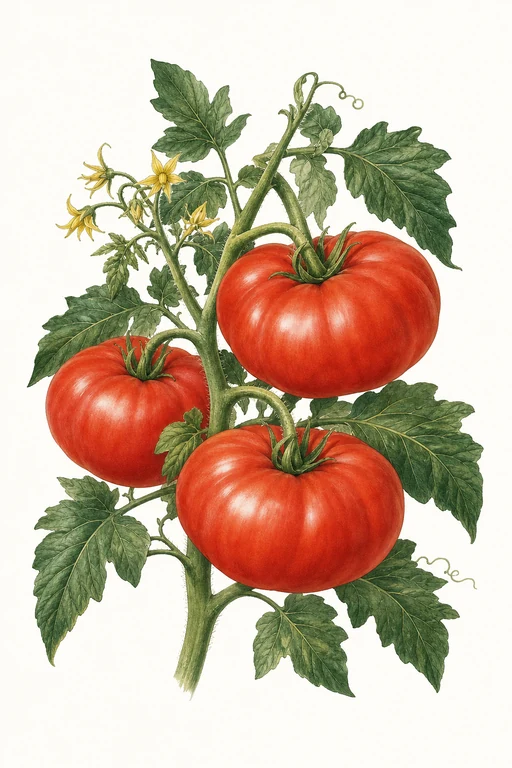
Sink your senses into Giant Belgium’s broad, beefsteak heft—flesh that tastes richly sweet with a gentle tang, as juicy as it is satisfying.
At maturity, the fruits develop a warm, classic tomato glow with a smooth, satin skin and a dense, velvety interior that holds its shape beautifully. Grow it for standout slices and showy centerpiece harvests—ideal for bold, flavor-forward salads, vibrant sauces, and bright pickling-style preserves.
Light: Full SunMaturity: 90 DaysHabit: Indeterminate
Crop Dates : 8b
| Milestone | Date |
|---|---|
| Start Indoors | Feb 2nd |
| Last Frost | Mar 23rd |
| Transplant / Sow Outdoors | May 18th |
| Harvest Begins | Aug 16th |
| Harvest Ends | Nov 12th |
Crop Details
| Trait | Value |
|---|---|
| Days to Maturity | 90 |
| Sun Requirements | Full Sun |
| Growth Habit | Indeterminate |
| Support Needed | Stake |
| Planting Depth | Deep |
| Germination Temp (°F) | 75 |
| Min Soil Temp (°F) | 60 |
| Min Night Temp (°F) | 50 |
| Harden Off (days) | 10 |
Culinary Notes

Chef's Note
Giant Belgium’s beefsteak heft gives you dense, sliceable flesh with enough sweetness to stand up to strong fats and brine. It’s built for “face-to-face” eating—cut thick, dress lightly, and let that gentle tang stay bright instead of turning watery.

Best Uses
- thick sandwich slices where the tomato won’t collapse
- bold caprese-style salads with minimal dressing for a clean bite
- quick sauté or roast-pan searing to concentrate sugars and keep shape
- chunky tomato sauces where you want body without overcooking

Flavor Profile

Kitchen Pairings
Frequently Asked Questions
What pest or disease is most common on Solanum lycopersicum (giant tomatoes), and how do I stop it?
How often should I water giant tomatoes (Solanum lycopersicum) during peak growth to prevent problems?
How can I tell when giant Belgium tomatoes are ready to harvest (Solanum lycopersicum)?
Sowing Tips

Transplant Conditions
Wait until soil reaches 60°F and nights stay above 50°F before moving outdoors. Harden off for 10 days first.
Expert Note

Start with sturdy seedlings (thick stems) and transplant only when daytime soil is ~60°F+ to avoid cold-stunt on large beefsteaks.