
Gilfeather
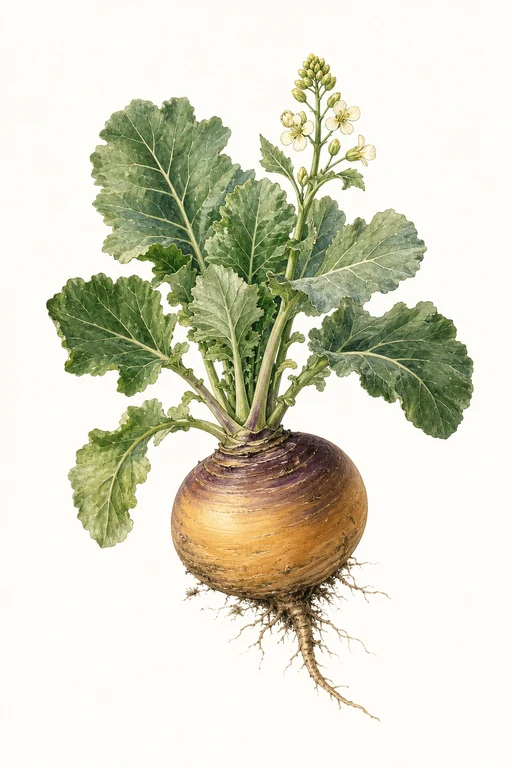
Sweet, mellow, and deeply earthy—Gilfeather rutabaga develops a rich, buttery flavor with a tender, fine-grained bite that feels velvety from the first forkful.
Its rounded shoulders and smooth skin promise uniform roots, while the dense flesh holds its character for comforting roasts, hearty mash, and silky sauces. Grow Gilfeather for a dependable 110-day season that rewards with dependable texture and a satisfying, slow-simmer depth in every harvest basket.
Light: Full SunMaturity: 110 DaysHabit: Rosette
Planting schedules and alerts are optimized for Columbus (Zone 6b).
Crop Dates
| Milestone | Date |
|---|---|
| Start Indoors | Direct Sow |
| Last Frost | Apr 25th |
| Transplant / Sow Outdoors | Apr 25th |
| Harvest Begins | Aug 13th |
| Harvest Ends | Oct 16th |
Crop Details
| Trait | Value |
|---|---|
| Days to Maturity | 110 |
| Sun Requirements | Full Sun |
| Growth Habit | Rosette |
| Support Needed | None |
| Planting Depth | Normal |
| Germination Temp (°F) | 45 |
| Min Soil Temp (°F) | 40 |
| Min Night Temp (°F) | 30 |
| Harden Off (days) | Not Required |
Culinary Notes

Chef's Note
Gilfeather rutabaga leans sweet and mellow, with a tender, fine-grained texture that turns velvety instead of grainy—exactly what you want for mashes and puree that cling to a spoon. Roast it for caramelized edges, then let it cozy out in butter, cream, or a long simmer to bring up that slow-butter depth without getting harsh.

Best Uses
- roasted wedges with crisp edges and creamy centers
- mash with butter/cream for a spoon-coating texture
- slow-simmered soups and stews where it melts into the broth
- silky rutabaga puree or sauce base for proteins

Flavor Profile

Frequently Asked Questions
What pest or disease most often affects Brassica napus var. napobrassica (gilfeather), and how can I control it?
How often should I water gilfeather during the main growing phase, and what soil moisture level should I aim for?
How can I tell when gilfeather is ready to harvest at around 110 days?
Sowing Tips

Transplant Conditions
Wait until soil reaches 40°F and nights stay above 30°F before moving outdoors.
Expert Note

For rutabaga flavor at its best, grow it for cool-season size and plan to let bulbs mature after at least one light frost.