
Gita
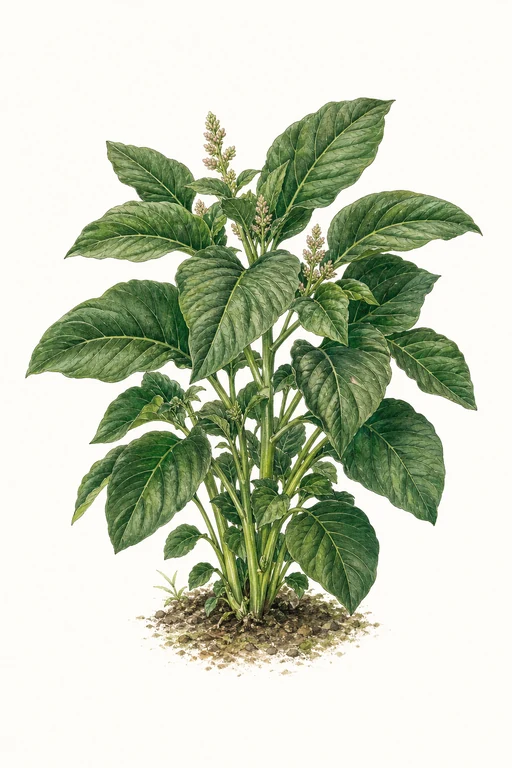
Sink your senses into Gita callaloo’s lush, tender leaves—softly succulent with a vivid, earthy-green sweetness that feels alive from the first harvest.
The foliage forms an upright, quickly filling clump, delivering a steady supply of tender greens with a smooth, velvety texture that shines in vibrant dishes. Grow Gita for bold, everyday greens that are as rewarding to tend as they are satisfying to serve.
Light: Full SunMaturity: 35 DaysHabit: Upright
Planting schedules and alerts are optimized for Columbus (Zone 6b).
Crop Dates
| Milestone | Date |
|---|---|
| Start Indoors | Direct Sow |
| Last Frost | Apr 25th |
| Transplant / Sow Outdoors | Apr 25th |
| Harvest Begins | May 30th |
| Harvest Ends | Oct 16th |
Crop Details
| Trait | Value |
|---|---|
| Days to Maturity | 35 |
| Sun Requirements | Full Sun |
| Growth Habit | Upright |
| Support Needed | None |
| Planting Depth | Normal |
| Germination Temp (°F) | 70 |
| Min Soil Temp (°F) | 60 |
| Min Night Temp (°F) | 50 |
| Harden Off (days) | Not Required |
Culinary Notes

Chef's Note
Gita callaloo’s tenderness is the point—cook it fast and keep it glossy, because overcooking turns that velvety thing into dull, fibrous fatigue. It loves fat for silk (coconut or butter) and acid for lift (lime), making it ideal for lively stews and quick skillet greens.

Best Uses
- quick-sautéed greens with garlic and a splash of acidic liquid
- stewed callaloo-style with coconut milk for silky body
- wilt-and-season side dish that holds texture without turning mushy
- blanched and tossed with a punchy vinaigrette while still glossy

Flavor Profile

Kitchen Pairings
Frequently Asked Questions
What pest or disease most commonly affects Amaranthus hybridus (gita), and how can I manage it at home?
How often should I water gita (Amaranthus hybridus) during its main growing phase?
How do I know when gita (Amaranthus hybridus) is ready to harvest?
Sowing Tips

Transplant Conditions
Wait until soil reaches 60°F and nights stay above 50°F before moving outdoors.
Expert Note

For best uniform bunching, sow in warm soil, thin to an even spacing, and harvest at consistent leaf height before flowering gets started.