
Glacier
Cool, crisp flavor leads the way with Glacier’s bright, juicy slices—an inviting balance of tang and sweetness that tastes like fresh-picked clarity.
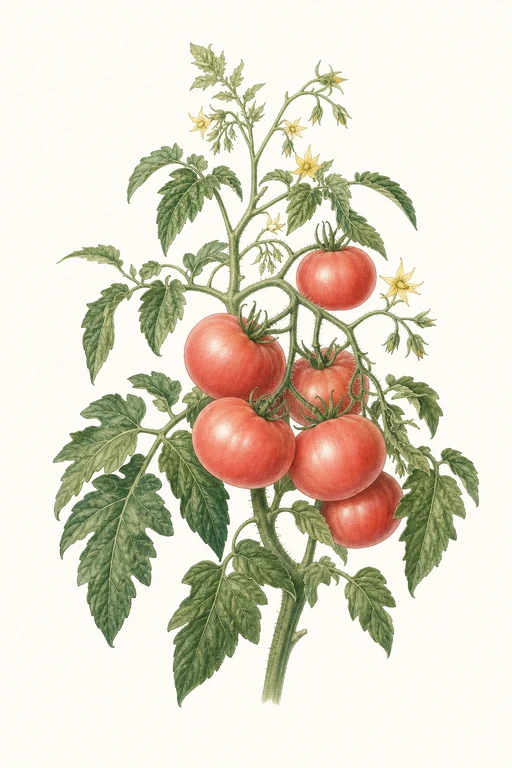
The fruit forms a clean, slicing silhouette with a firm, succulent bite and a smooth, satin skin that holds its shape beautifully. Grow Glacier for standout garden-to-table performance in bold salads and vibrant fresh salsas, or for spoonable sauces that showcase its lively, garden-forward character.
Light: Full SunMaturity: 60 DaysHabit: Determinate
Location not set yet
Location not set yet
Enter your ZIP for local crop dates
Glacier Planting Dates by USDA Zone
Estimated US hardiness-zone windows for sow, transplant, and harvest. Enter a US ZIP above for exact local dates, or open a zone below.
| Zone | Start Indoors | Sow / Transplant | Harvest |
|---|---|---|---|
| Zone 1a | Protected Environment Only | ||
| Zone 1b | Apr 6th | Jul 13th | Sep 11th – Aug 1st |
| Zone 2a | Mar 30th | Jul 6th | Sep 4th – Aug 29th |
| Zone 2b | Mar 20th | Jun 26th | Aug 25th – Aug 25th |
| Zone 3a | Mar 20th | Jun 26th | Aug 25th – Sep 1st |
| Zone 3b | Mar 24th | Jun 30th | Aug 29th – Sep 21st |
| Zone 4a | Mar 20th | Jun 26th | Aug 25th – Sep 24th |
| Zone 4b | Mar 18th | Jun 24th | Aug 23rd – Sep 27th |
| Zone 5a | Mar 13th | Jun 19th | Aug 18th – Sep 30th |
| Zone 5b | Mar 9th | Jun 15th | Aug 14th – Oct 5th |
| Zone 6a | Mar 6th | Jun 12th | Aug 11th – Oct 10th |
| Zone 6b | Feb 28th | Jun 6th | Aug 5th – Oct 16th |
| Zone 7a | Feb 23rd | Jun 1st | Jul 31st – Oct 20th |
| Zone 7b | Feb 13th | May 22nd | Jul 21st – Oct 28th |
| Zone 8a | Feb 4th | May 13th | Jul 12th – Nov 5th |
| Zone 8b | Jan 26th | May 4th | Jul 3rd – Nov 12th |
| Zone 9a | Jan 9th | Apr 17th | Jun 16th – Nov 26th |
| Zone 9b | Dec 15th | Mar 23rd | May 22nd – Dec 9th |
| Zone 10a | Continuous Production | ||
| Zone 10b | Continuous Production | ||
| Zone 11a | Continuous Production | ||
| Zone 11b | Continuous Production | ||
| Zone 12a | Continuous Production | ||
| Zone 12b | Continuous Production | ||
| Zone 13a | Continuous Production | ||
| Zone 13b | Continuous Production | ||
Crop Details
| Trait | Value |
|---|---|
| Days to Maturity | 60 |
| Sun Requirements | Full Sun |
| Growth Habit | Determinate |
| Support Needed | Cage |
| Planting Depth | Deep |
| Germination Temp (°F) | 75 |
| Min Soil Temp (°F) | 60 |
| Min Night Temp (°F) | 50 |
| Harden Off (days) | 7 |
Culinary Notes

Chef's Note
With a crisp, succulent bite and bright tang, Glacier is built for slicing—its satin skin and meat-to-juice ratio keep it from smearing or weeping in salads and sandwiches. Use it for quick reductions or vibrant salsas where the fresh-picked clarity stays loud instead of fading into sweetness.

Best Uses
- thick slices for salt-and-oil plates that don’t go watery
- fresh salsa where it holds shape and keeps crunch
- spoonable quick-cooked sauces (10–20 min) that taste tangy and garden-forward
- raw tomato sandwiches where it won’t collapse under sauce

Flavor Profile

Kitchen Pairings
Frequently Asked Questions
What pest or disease is most likely on Solanum lycopersicum (tomato) “Glacier,” and what should I do first?
How often should I water Solanum lycopersicum during peak growth (from flowering through fruit set)?
How can I tell when Solanum lycopersicum (“Glacier”) is ready to harvest?
Sowing Tips

Transplant Conditions
Wait until soil reaches 60°F and nights stay above 50°F before moving outdoors. Harden off for 7 days first.
Expert Note

Glacier is early and cold-hardy, but still transplant only when soil is at least 60°F—use row cover/cloth during nights in cool springs.