
Golden Beet
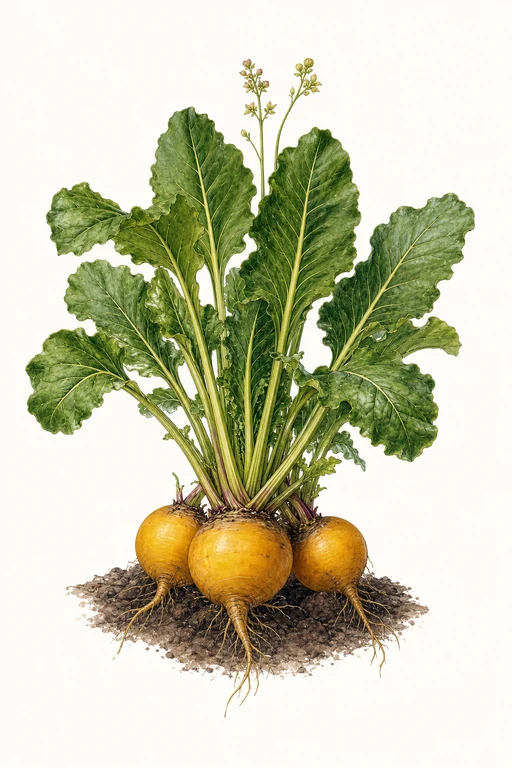
Sunlit and sweet, Golden Beet delivers a mellow, honeyed flavor with tender, fine-grained flesh that stays silky from garden to table.
The roots mature in about 60 days, forming smooth, round globes with a warm golden interior and a crisp, earthy snap at first bite—then a gentle, buttery finish. Grow Golden Beet for vivid color in fresh salads, for roasting, and for golden-hued pickles and vibrant sauces that brighten every plate.
Light: Full SunMaturity: 60 DaysHabit: Rosette
Crop Dates : 6b
| Milestone | Date |
|---|---|
| Start Indoors | Direct Sow |
| Last Frost | Apr 25th |
| Transplant / Sow Outdoors | Apr 18th |
| Harvest Begins | Jun 17th |
| Harvest Ends | Oct 16th |
Crop Details
| Trait | Value |
|---|---|
| Days to Maturity | 60 |
| Sun Requirements | Full Sun |
| Growth Habit | Rosette |
| Support Needed | None |
| Planting Depth | Normal |
| Germination Temp (°F) | 55 |
| Min Soil Temp (°F) | 45 |
| Min Night Temp (°F) | 35 |
| Harden Off (days) | Not Required |
Culinary Notes

Chef's Note
Golden Beet tastes sweeter and less aggressively earthy than its deep-red cousins, with a fine, silken interior that won’t turn grainy. Roast or pickle it and it keeps a crisp, clean bite—perfect for balancing tangy acids like lemon or balsamic against its honeyed finish.

Best Uses
- roasting and then slicing while warm for a buttery-sweet edge
- quick-pickling for bright golden rounds that stay snappy
- thin raw shavings in salads to keep that crisp, clean texture
- blending into vibrant golden puree for sauce swirls

Flavor Profile

Frequently Asked Questions
What pest or disease most commonly affects golden beet (Beta vulgaris subsp. vulgaris), and what should I do?
How often should I water golden beets during their main growing phase?
How do I tell when golden beets are ready to harvest (Beta vulgaris subsp. vulgaris)?
Sowing Tips

Transplant Conditions
Wait until soil reaches 45°F and nights stay above 35°F before moving outdoors.
Expert Note

Sow in cool weather and keep the soil evenly moist; thin to 3–4 in. for the best sweet roots.