
Golden Everest
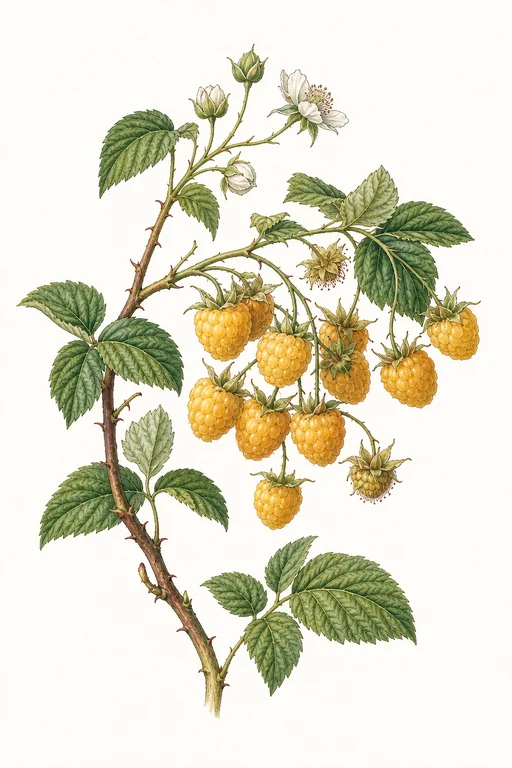
Sunlit and unmistakably sweet, Golden Everest raspberries glow in the garden with warm amber-gold berries that seem to catch the light at every turn.
Each fruit is tender and juicy, with a delicate, floral berry flavor and a softly yielding texture that’s a joy straight from the plant. Ideal for fresh enjoyment and showy fruit-forward preserves, these golden canes deliver a bright, mellow sweetness that elevates every spoonful and jar.
Light: Full SunMaturity: 80 DaysHabit: Upright
Planting schedules and alerts are optimized for Columbus (Zone 6b).
Crop Dates
| Milestone | Date |
|---|---|
| Start Indoors | Direct Sow |
| Last Frost | Apr 25th |
| Transplant / Sow Outdoors | Apr 25th |
| Harvest Begins | Jul 14th |
| Harvest Ends | Oct 16th |
Crop Details
| Trait | Value |
|---|---|
| Days to Maturity | 80 |
| Sun Requirements | Full Sun |
| Growth Habit | Upright |
| Support Needed | Trellis |
| Planting Depth | Normal |
| Germination Temp (°F) | 70 |
| Min Soil Temp (°F) | 50 |
| Min Night Temp (°F) | 40 |
| Harden Off (days) | Not Required |
Culinary Notes

Chef's Note
Golden Everest raspberries lean honey-sweet with a whisper of floral perfume, and their softness makes them best when you’re not cooking them hard. For preserves and sauces, keep the heat brief so the fruit stays tender and jeweled rather than turning jammy and flat.

Best Uses
- eat straight—cold, unthawed, and barely touched
- quick maceration for a glossy spoon sauce
- high-visibility preserves that rely on fruit flavor
- fold into yogurt or whipped cream for a soft-set dessert

Flavor Profile

Kitchen Pairings
Frequently Asked Questions
What pest or disease issue commonly affects Rubus idaeus (golden raspberry), and how can I control it?
How often should I water golden raspberry (Rubus idaeus) during the main growing phase?
How do I know when golden Everest raspberry (Rubus idaeus) is ready to harvest?
Sowing Tips

Transplant Conditions
Wait until soil reaches 50°F and nights stay above 40°F before moving outdoors.
Expert Note

Plant raspberries in full sun with well-drained soil, spacing canes for airflow and keeping them weed-free for best yields.