
Goliath Original
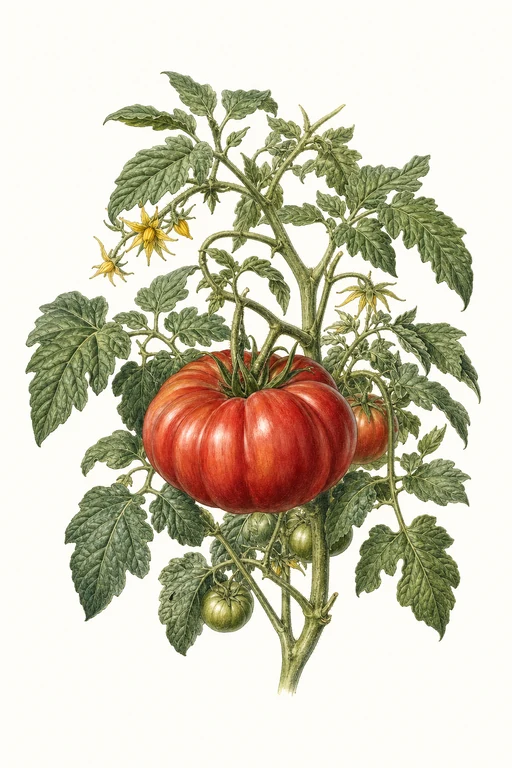
Sink your senses into Goliath Original’s rich, meaty perfume and lush, old-fashioned tomato sweetness—an impressive beefsteak that ripens to a bold, rosy-red glow.
Its flesh is thick and velvety with a juicy, seed-filled interior, delivering a satisfying bite and substantial slices for the centerpiece garden harvest. Grow Goliath Original for standout performance at home: bold flavor for fresh use, plus exceptional body for sauces and hearty roasting favorites.
Light: Full SunMaturity: 90 DaysHabit: Determinate
Location not set yet
Location not set yet
Enter your ZIP for local crop dates
Goliath Original Planting Dates by USDA Zone
Estimated US hardiness-zone windows for sow, transplant, and harvest. Enter a US ZIP above for exact local dates, or open a zone below.
| Zone | Start Indoors | Sow / Transplant | Harvest |
|---|---|---|---|
| Zone 1a | Apr 20th | Aug 10th | Nov 8th – Jul 15th |
| Zone 1b | Apr 6th | Jul 27th | Oct 25th – Aug 1st |
| Zone 2a | Mar 30th | Jul 20th | Oct 18th – Aug 29th |
| Zone 2b | Mar 20th | Jul 10th | Oct 8th – Aug 25th |
| Zone 3a | Mar 20th | Jul 10th | Oct 8th – Sep 1st |
| Zone 3b | Mar 24th | Jul 14th | Oct 12th – Sep 21st |
| Zone 4a | Mar 20th | Jul 10th | Oct 8th – Sep 24th |
| Zone 4b | Mar 18th | Jul 8th | Oct 6th – Sep 27th |
| Zone 5a | Mar 13th | Jul 3rd | Oct 1st – Sep 30th |
| Zone 5b | Mar 9th | Jun 29th | Sep 27th – Oct 5th |
| Zone 6a | Mar 6th | Jun 26th | Sep 24th – Oct 10th |
| Zone 6b | Feb 28th | Jun 20th | Sep 18th – Oct 16th |
| Zone 7a | Feb 23rd | Jun 15th | Sep 13th – Oct 20th |
| Zone 7b | Feb 13th | Jun 5th | Sep 3rd – Oct 28th |
| Zone 8a | Feb 4th | May 27th | Aug 25th – Nov 5th |
| Zone 8b | Jan 26th | May 18th | Aug 16th – Nov 12th |
| Zone 9a | Jan 9th | May 1st | Jul 30th – Nov 26th |
| Zone 9b | Dec 15th | Apr 6th | Jul 5th – Dec 9th |
| Zone 10a | Continuous Production | ||
| Zone 10b | Continuous Production | ||
| Zone 11a | Continuous Production | ||
| Zone 11b | Continuous Production | ||
| Zone 12a | Continuous Production | ||
| Zone 12b | Continuous Production | ||
| Zone 13a | Continuous Production | ||
| Zone 13b | Continuous Production | ||
Crop Details
| Trait | Value |
|---|---|
| Days to Maturity | 90 |
| Sun Requirements | Full Sun |
| Growth Habit | Determinate |
| Support Needed | Cage |
| Planting Depth | Deep |
| Germination Temp (°F) | 75 |
| Min Soil Temp (°F) | 60 |
| Min Night Temp (°F) | 50 |
| Harden Off (days) | 10 |
Culinary Notes

Chef's Note
Goliath Original is built like a beefsteak—thick, velvety flesh with real juice—so it earns center-stage on a plate and holds up when heat turns the outside jammy. Use it for slicing or roasting where its substantial bite stays intact, then let garlic, olive oil, and pepper ride the savory-sweet pulse.

Best Uses
- thick slicing for sandwiches where it won’t collapse into a wet mess
- hot searing and roasting for jammy edges and a custardy interior
- slow-simmering into a hearty tomato sauce with body
- fresh, lightly dressed tomato-and-salt platters to show off the perfume

Flavor Profile

Kitchen Pairings
Frequently Asked Questions
What pest or disease is most likely to hit Solanum lycopersicum (tomato), and what should I do first?
How often should I water tomatoes during the main growing phase (to keep fruit set and prevent cracking)?
How do I know when a Solanum lycopersicum tomato is ready to harvest?
Sowing Tips

Transplant Conditions
Wait until soil reaches 60°F and nights stay above 50°F before moving outdoors. Harden off for 10 days first.
Expert Note

For the biggest beefsteaks, transplant only when soil is reliably warm (60°F+) and keep moisture steady to reduce cracking.