
Great Northern
Aromatic, nutty-sweet dry beans with a clean, satisfying bite—Great Northern delivers a smooth, creamy interior when cooked and a refined, uniform look in the pot.
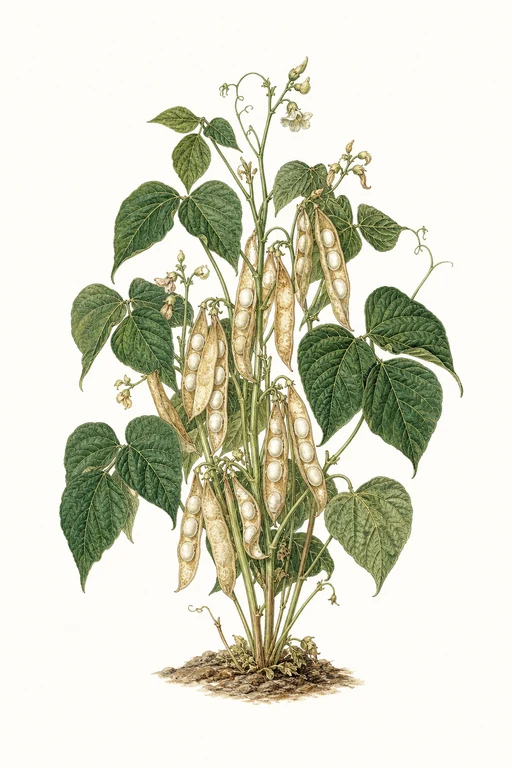
The pods mature to a crisp, straw-dry finish, revealing plump, classic white beans that hold their shape beautifully for hearty staples. Grow Great Northern for reliable, home-garden harvests and a pantry-ready foundation for comforting favorites all season long.
Light: Full SunMaturity: 90 DaysHabit: Bush
Planting schedules and alerts are optimized for Columbus (Zone 6b).
Crop Dates
| Milestone | Date |
|---|---|
| Start Indoors | Direct Sow |
| Last Frost | Apr 25th |
| Transplant / Sow Outdoors | Apr 25th |
| Harvest Begins | Jul 24th |
| Harvest Ends | Oct 16th |
Crop Details
| Trait | Value |
|---|---|
| Days to Maturity | 90 |
| Sun Requirements | Full Sun |
| Growth Habit | Bush |
| Support Needed | None |
| Planting Depth | Normal |
| Germination Temp (°F) | 70 |
| Min Soil Temp (°F) | 60 |
| Min Night Temp (°F) | 50 |
| Harden Off (days) | Not Required |
Culinary Notes

Chef's Note
Great Northern’s hallmark is that creamy interior paired with a bean that still holds its shape—ideal when you want body, not mush. Cook low and slow, then finish with lemon and olive oil to sharpen the nutty sweetness and keep the pot tasting bright.

Best Uses
- slow-simmered white bean soup (where the broth turns silky without getting mealy)
- cassoulet-style bakes with browned pork or duck (beans that stay tidy under heat)
- purees for a spoonable side—blend smooth, then loosen with stock and lemon
- chilled white bean salad dressed with aggressive acid and olive oil

Flavor Profile

Frequently Asked Questions
What pest or disease commonly affects Phaseolus vulgaris (Great Northern beans), and how can I prevent it?
How often should I water Great Northern beans during the main growing phase (about flowering to pod fill)?
How do I know when Great Northern beans are ready to harvest (Phaseolus vulgaris)?
Sowing Tips

Transplant Conditions
Wait until soil reaches 60°F and nights stay above 50°F before moving outdoors.
Expert Note

Plant Great Northern beans only after the soil is reliably warm and moisture is consistent at germination—beans dislike cold, wet ground.