
Green Globe
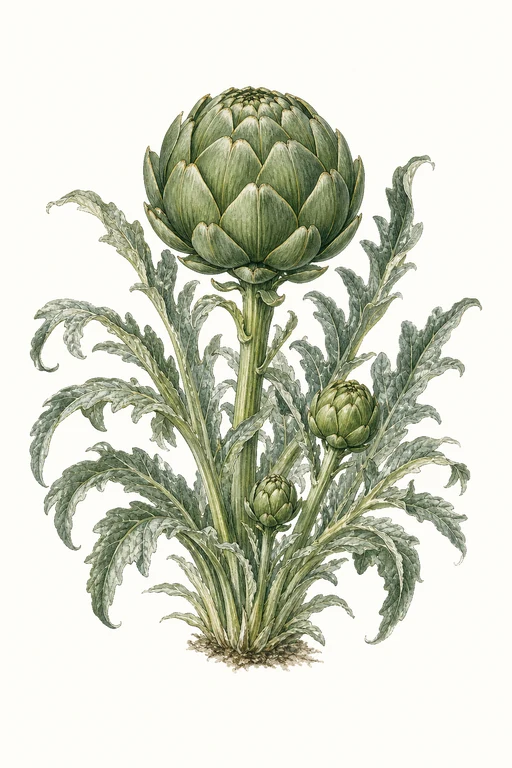
Sink your senses into Green Globe’s tightly layered, globe-shaped buds—cool, verdant, and elegantly firm, with a tender heart that tastes clean and subtly nutty.
The plants form sturdy, upright clumps that reward patience with abundant, uniform artichokes over a long season, their bracts holding a crisp, succulent bite. Ideal for steaming and roasting, Green Globe shines in warm dips, savory spreads, and tangy preserves—grow it for a garden centerpiece that delivers refined flavor from the first harvest to the last.
Light: Full SunMaturity: 150 DaysHabit: Perennial_Crown
Planting schedules and alerts are optimized for Columbus (Zone 6b).
Crop Dates
| Milestone | Date |
|---|---|
| Start Indoors | Direct Sow |
| Last Frost | Apr 25th |
| Transplant / Sow Outdoors | Apr 25th |
| Harvest Begins | Sep 22nd |
| Harvest Ends | Oct 16th |
Crop Details
| Trait | Value |
|---|---|
| Days to Maturity | 150 |
| Sun Requirements | Full Sun |
| Growth Habit | Perennial_Crown |
| Support Needed | None |
| Planting Depth | Normal |
| Germination Temp (°F) | 70 |
| Min Soil Temp (°F) | 45 |
| Min Night Temp (°F) | 35 |
| Harden Off (days) | 7 |
Culinary Notes

Chef's Note
Green Globe’s tightly packed, firm bracts give you that satisfying snap before they yield, and the heart stays luxuriously meaty instead of going watery. It’s built for heat—steam, roast, then lean into bright fat (olive oil/butter) and acid (lemon) to tame the gentle bitterness.

Best Uses
- steam until the bracts pull clean, then finish with olive oil and lemon to highlight the nutty core
- roast halved buds until the cut faces go bronzed and caramelized
- warm spinach-style dips and cheesy spreads where the layered texture won’t collapse
- quick brine/pickle or tangy preserve for a sharp, bracing snacking bite

Flavor Profile

Kitchen Pairings
Frequently Asked Questions
What pest or disease most often affects Cynara scolymus (globe artichoke), and how can I control it?
How often should I water Cynara scolymus during its main growing phase?
How do I tell when Cynara scolymus is ready to harvest?
Sowing Tips

Transplant Conditions
Wait until soil reaches 45°F and nights stay above 35°F before moving outdoors. Harden off for 7 days first.
Expert Note

For bud production, prioritize a vernalization/winter-chill period (and well-drained soil) because globe artichokes are not reliable without adequate cold exposure.