
Green Tails
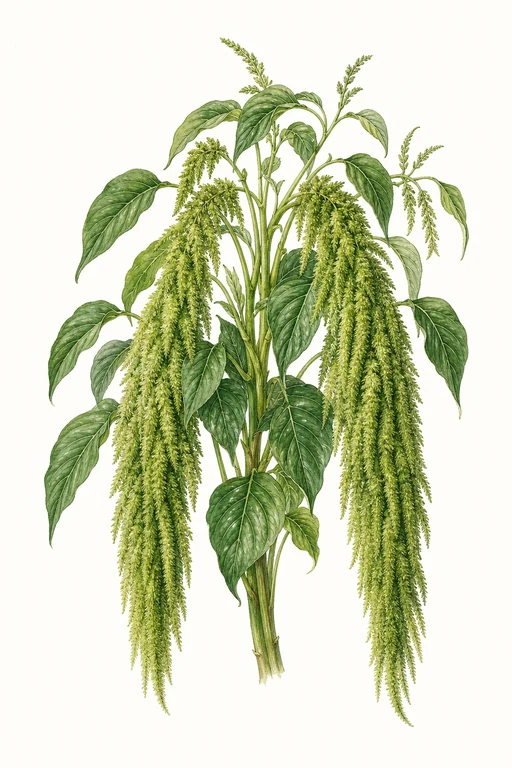
Drape your garden in Green Tails’ cascading, plume-like amaranth—softly luminous green that catches the light like fresh foliage.
At maturity, the feathery, tailing inflorescences hold their shape with a velvety texture, making them as striking in the landscape as they are in arrangements. Grow Green Tails for bold, long-lasting ornamental color that brings instant vertical drama to beds, borders, and sunny containers.
Light: Full SunMaturity: 70 DaysHabit: Upright
Planting schedules and alerts are optimized for Columbus (Zone 6b).
Crop Dates
| Milestone | Date |
|---|---|
| Start Indoors | Apr 4th |
| Last Frost | Apr 25th |
| Transplant / Sow Outdoors | Apr 25th |
| Harvest Begins | Jul 4th |
| Harvest Ends | Oct 16th |
Crop Details
| Trait | Value |
|---|---|
| Days to Maturity | 70 |
| Sun Requirements | Full Sun |
| Growth Habit | Upright |
| Support Needed | None |
| Planting Depth | Surface |
| Germination Temp (°F) | 70 |
| Min Soil Temp (°F) | 60 |
| Min Night Temp (°F) | 45 |
| Harden Off (days) | 7 |
Culinary Notes

Chef's Note
Even though it’s marketed as ornamental, this amaranth tail crop eats like tender greens: cook fast and keep it glossy—overheat it and it goes dull. Use it in applications where the “velvet” texture can show, like a quick sauté or a warm wilt that clings to acid and fat.

Best Uses
- torn-leaf salad or warm wilted greens—treat like delicate amaranth foliage
- briefly sautéed with garlic and butter for a spoonable, herb-like side
- steam-and-blend into a vivid green purée for dumpling filling

Flavor Profile

Kitchen Pairings
Frequently Asked Questions
What pest or disease commonly affects Amaranthus caudatus (green tails) and how do I control it?
How often should I water Amaranthus caudatus during peak growth?
How can I tell when Amaranthus caudatus (green tails) is ready to harvest?
Sowing Tips

Transplant Conditions
Wait until soil reaches 60°F and nights stay above 45°F before moving outdoors. Harden off for 7 days first.
Expert Note

Start seeds indoors in small trays and move them out only after cold nights pass; ornamental amaranth thrives once warm and will quickly become lush for cut arrangements.