
Grumolo Bionda
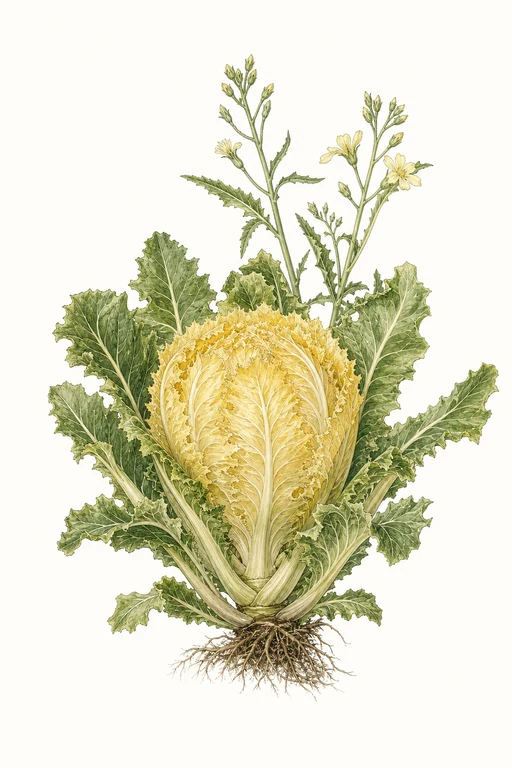
Sweetly nutty and gently bitter, Grumolo Bionda forms tender, golden-blond heads with a crisp, snappy bite and a fine, ruffled texture that feels luminous in the garden.
At maturity, the pale leaves gather into an elegant rosette, offering a delicate crunch that shines in fresh salads and brightens roasted vegetable platters, as well as creamy sauces and quick pickling for a tangy accent. Grow it for a refined, garden-to-table radicchio experience—beautiful, flavorful, and wonderfully satisfying to cultivate.
Light: Full SunMaturity: 60 DaysHabit: Rosette
Planting schedules and alerts are optimized for Columbus (Zone 6b).
Crop Dates
| Milestone | Date |
|---|---|
| Start Indoors | Direct Sow |
| Last Frost | Apr 25th |
| Transplant / Sow Outdoors | Apr 25th |
| Harvest Begins | Jun 24th |
| Harvest Ends | Oct 16th |
Crop Details
| Trait | Value |
|---|---|
| Days to Maturity | 60 |
| Sun Requirements | Full Sun |
| Growth Habit | Rosette |
| Support Needed | None |
| Planting Depth | Surface |
| Germination Temp (°F) | 45 |
| Min Soil Temp (°F) | 40 |
| Min Night Temp (°F) | 28 |
| Harden Off (days) | Not Required |
Culinary Notes

Chef's Note
Grumolo Bionda’s pale leaves deliver a softer bitterness with a clean nutty note, so it doesn’t need heavy-handed cooking to taste “radicchio.” Use it raw for crunch, or roast/sear just until edges turn glossy—long heat will flatten its ruffled texture and mute the sweet-bitter contrast.

Best Uses
- shaved or quartered raw salads where it stays pleasantly crisp
- quick pickling for a tangy, lightly bitter bite
- hot searing/roasting to sweeten the edges without turning leathery
- folding into creamy sauces for a bitter-sweet balance

Flavor Profile

Kitchen Pairings
Frequently Asked Questions
What pest or disease commonly affects Cichorium intybus (Grumolo Bionda) and how do I manage it?
How often should I water Cichorium intybus during the main growing phase?
How can I tell when Grumolo Bionda (Cichorium intybus) is ready to harvest?
Sowing Tips

Transplant Conditions
Wait until soil reaches 40°F and nights stay above 28°F before moving outdoors.
Expert Note

For winter/spring harvest, keep soil cool and sow again in small batches to maintain steady rosette growth without bolting.