
Grumolo Verde
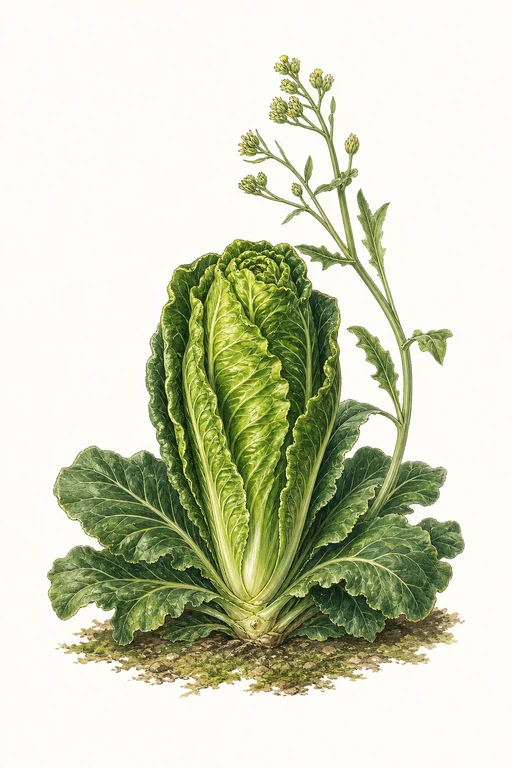
Sink your spoon into the crisp, cool crunch of Grumolo Verde—its tender heads unfurl in a vivid green that tastes pleasantly bittersweet and clean, with a fresh, leafy snap.
At maturity around 60 days, the rosette forms tight, upright hearts with a finely textured, lightly ribbed surface that holds beautifully for salads and elegant braises. Grow Grumolo Verde for the gardener’s delight of a radicchio that’s both visually striking and reliably flavorful from first harvest to the last leaf.
Light: Full SunMaturity: 60 DaysHabit: Rosette
Planting schedules and alerts are optimized for Columbus (Zone 6b).
Crop Dates
| Milestone | Date |
|---|---|
| Start Indoors | Direct Sow |
| Last Frost | Apr 25th |
| Transplant / Sow Outdoors | Apr 25th |
| Harvest Begins | Jun 24th |
| Harvest Ends | Oct 16th |
Crop Details
| Trait | Value |
|---|---|
| Days to Maturity | 60 |
| Sun Requirements | Full Sun |
| Growth Habit | Rosette |
| Support Needed | None |
| Planting Depth | Normal |
| Germination Temp (°F) | 45 |
| Min Soil Temp (°F) | 40 |
| Min Night Temp (°F) | 30 |
| Harden Off (days) | Not Required |
Culinary Notes

Chef's Note
Grumolo Verde leans toward a crisp, clean bittersweet rather than harsh bitterness, so it holds up under a quick hit of heat without turning muddy. Use it raw in wedges or braise just until the ribs go soft—its texture is the whole point, and it loves sharp, acidic partners.

Best Uses
- raw wedge salads with minimal dressing to keep the crunch
- quick sautéed or charred radicchio for bitter-sweet caramelization
- braised in a splash of vinegar or wine until the ribs turn melting-tender
- tossed into warm grain bowls where it stays snappy

Flavor Profile

Kitchen Pairings
Frequently Asked Questions
What pests or diseases commonly affect Cichorium intybus (Grumolo Verde), and how can I control them?
How often should I water Cichorium intybus during the main growing period?
How do I know when Grumolo Verde is ready to harvest?
Sowing Tips

Transplant Conditions
Wait until soil reaches 40°F and nights stay above 30°F before moving outdoors.
Expert Note

For radicchio/grumolo-type greens, aim for cool weather (and a light fall frost can improve sweetness), and keep moisture steady to avoid bitter or tough leaves.