
Hastings Puffer
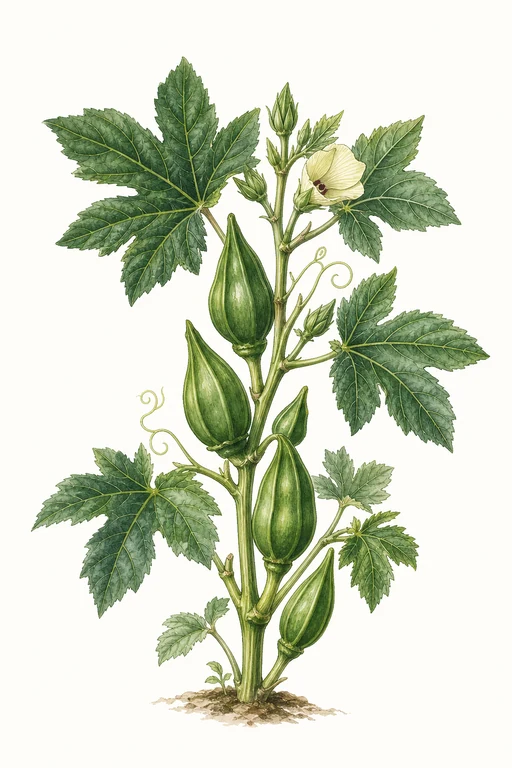
Tender pods of Hastings Puffer arrive with a delightfully plush, puffy feel and a vivid, fresh green glow—best savored when young for a crisp, succulent bite.
Their gently flared, ridged silhouette makes them a standout in the garden, while their mild, vegetable-forward flavor shines in quick skillet roasts, bright fresh preparations, and silky sauces. Grow Hastings Puffer for a steady harvest rhythm and that satisfying, garden-to-plate freshness gardeners love.
Light: Full SunMaturity: 55 DaysHabit: Upright
Planting schedules and alerts are optimized for Columbus (Zone 6b).
Crop Dates
| Milestone | Date |
|---|---|
| Start Indoors | Direct Sow |
| Last Frost | Apr 25th |
| Transplant / Sow Outdoors | May 9th |
| Harvest Begins | Jul 3rd |
| Harvest Ends | Oct 16th |
Crop Details
| Trait | Value |
|---|---|
| Days to Maturity | 55 |
| Sun Requirements | Full Sun |
| Growth Habit | Upright |
| Support Needed | None |
| Planting Depth | Normal |
| Germination Temp (°F) | 70 |
| Min Soil Temp (°F) | 65 |
| Min Night Temp (°F) | 55 |
| Harden Off (days) | 12 |
Culinary Notes

Chef's Note
Hastings Puffer’s whole point is youth—pick them tender and you get crisp, succulent ridges instead of chewy fibers. Cook fast to take the edge off the rawness and let the pods bloom into that gentle, silky cling that fattens up sauces without turning them to glue.

Best Uses
- quick high-heat skillet roast (split the pods for extra browning)
- lightly battered and pan-fried for a crunchy edge over slippery centers
- charred okra + citrus for bright, not-stewy flavor
- quick simmered, spoon-thickening sauce base for gumbo-style dishes

Flavor Profile

Frequently Asked Questions
What pest or disease is most likely to hit Abelmoschus esculentus (Hastings Puffer okra), and what should I do?
How often should I water Abelmoschus esculentus during the main pod-producing phase?
How can I tell when Hastings Puffer okra pods are ready to harvest?
Sowing Tips

Transplant Conditions
Wait until soil reaches 65°F and nights stay above 55°F before moving outdoors. Harden off for 12 days first.

Direct Sow Preferred
Sensitive roots — does not transplant well. If starting indoors, use biodegradable pots and disturb roots as little as possible when moving outdoors.
Expert Note

Start indoors for a longer warm-season harvest, but wait to transplant only once soil is truly warm (60°F+), then keep plants well-watered to prevent early flower drop.