
Heavy Hitter
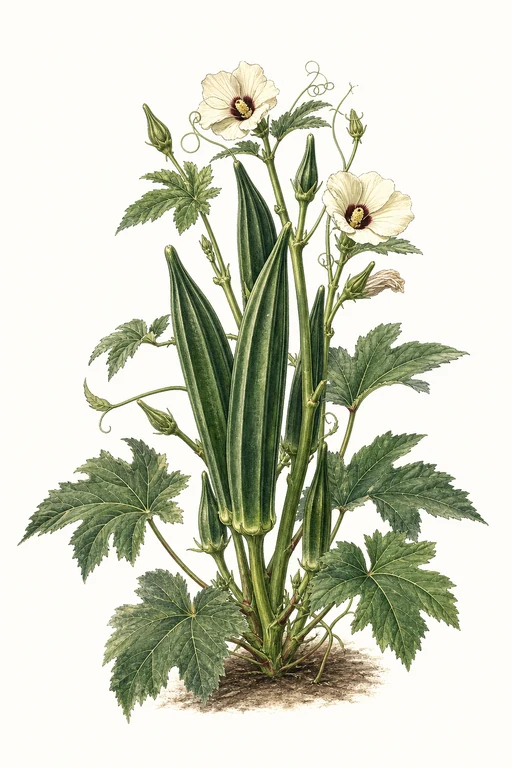
Velvety pods arrive with a bold, meaty presence—Heavy Hitter okra produces thick, deep-green spears that feel satisfyingly substantial in the hand.
Expect a tender, mild flavor with a smooth, lightly crisp bite that shines in warm preparations and also holds its character beautifully for thickening sauces and pickling. A dependable 60-day performer, it’s an easy choice for gardeners who want standout pods and repeat harvests.
Light: Full SunMaturity: 60 DaysHabit: Upright
Planting schedules and alerts are optimized for Columbus (Zone 6b).
Crop Dates
| Milestone | Date |
|---|---|
| Start Indoors | Direct Sow |
| Last Frost | Apr 25th |
| Transplant / Sow Outdoors | Jun 6th |
| Harvest Begins | Aug 5th |
| Harvest Ends | Oct 16th |
Crop Details
| Trait | Value |
|---|---|
| Days to Maturity | 60 |
| Sun Requirements | Full Sun |
| Growth Habit | Upright |
| Support Needed | None |
| Planting Depth | Normal |
| Germination Temp (°F) | 75 |
| Min Soil Temp (°F) | 65 |
| Min Night Temp (°F) | 55 |
| Harden Off (days) | 12 |
Culinary Notes

Chef's Note
Heavy Hitter okra brings that satisfying, meaty pod presence—tender without turning to slime too fast—and releases plenty of natural mucilage to bind stews and sauces. It’s especially strong for warm, coated applications and for thickening a pot where the texture stays plush, not mushy.

Best Uses
- hot skillet sauté with minimal seasoning for a clean, snappy bite
- gumbo-style stew where the pod’s thickening power builds body
- quick pickling for crisp, green crunch
- stir-fry with a glossy, clingy coating

Flavor Profile

Frequently Asked Questions
What pest or disease is most likely on Abelmoschus esculentus (okra), and how do I control it?
How often should I water okra (Abelmoschus esculentus) during the main growing phase?
How can I tell when Abelmoschus esculentus pods are ready to harvest?
Sowing Tips

Transplant Conditions
Wait until soil reaches 65°F and nights stay above 55°F before moving outdoors. Harden off for 12 days first.

Direct Sow Preferred
Sensitive roots — does not transplant well. If starting indoors, use biodegradable pots and disturb roots as little as possible when moving outdoors.
Expert Note

Because soil warmth drives success with peppers, wait to transplant until nighttime temps are reliably mild and the soil is at least 60°F+ for best yields.