
Hera
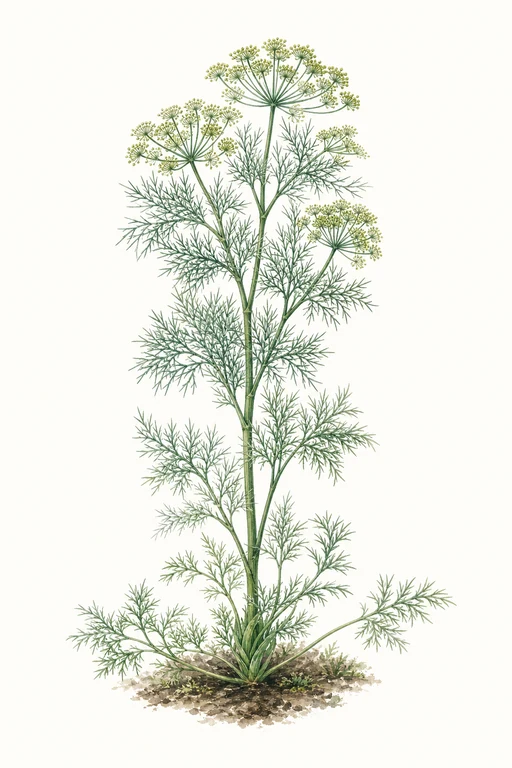
Fragrant and richly aromatic from the first feathery fronds, Hera dill unfurls into a lush, upright plant with a clean, sweet-herb character and a bright, cooling finish.
The foliage is finely textured and tender, holding its color beautifully for fresh use while developing a fuller, more pungent dill flavor as it matures. Ideal for dill-forward flavoring in pickles, brines, and herb blends, Hera’s steady growth makes it a standout for gardeners who love dependable, garden-fresh fragrance at about 55 days.
Light: Full SunMaturity: 55 DaysHabit: Upright
Location not set yet
Location not set yet
Enter your ZIP for local crop dates
Hera Planting Dates by USDA Zone
Estimated US hardiness-zone windows for sow, transplant, and harvest. Enter a US ZIP above for exact local dates, or open a zone below.
| Zone | Start Indoors | Sow / Transplant | Harvest |
|---|---|---|---|
| Zone 1a | Protected Environment Only | ||
| Zone 1b | Direct Sow | Jun 1st | Jul 26th – Aug 1st |
| Zone 2a | Direct Sow | May 25th | Jul 19th – Aug 29th |
| Zone 2b | Direct Sow | May 15th | Jul 9th – Aug 25th |
| Zone 3a | Direct Sow | May 15th | Jul 9th – Sep 1st |
| Zone 3b | Direct Sow | May 19th | Jul 13th – Sep 21st |
| Zone 4a | Direct Sow | May 15th | Jul 9th – Sep 24th |
| Zone 4b | Direct Sow | May 13th | Jul 7th – Sep 27th |
| Zone 5a | Direct Sow | May 8th | Jul 2nd – Sep 30th |
| Zone 5b | Direct Sow | May 4th | Jun 28th – Oct 5th |
| Zone 6a | Direct Sow | May 1st | Jun 25th – Oct 10th |
| Zone 6b | Direct Sow | Apr 25th | Jun 19th – Oct 16th |
| Zone 7a | Direct Sow | Apr 20th | Jun 14th – Oct 20th |
| Zone 7b | Direct Sow | Apr 10th | Jun 4th – Oct 28th |
| Zone 8a | Direct Sow | Apr 1st | May 26th – Nov 5th |
| Zone 8b | Direct Sow | Mar 23rd | May 17th – Nov 12th |
| Zone 9a | Direct Sow | Mar 6th | Apr 30th – Nov 26th |
| Zone 9b | Direct Sow | Feb 9th | Apr 5th – Dec 9th |
| Zone 10a | Continuous Production | ||
| Zone 10b | Continuous Production | ||
| Zone 11a | Continuous Production | ||
| Zone 11b | Continuous Production | ||
| Zone 12a | Continuous Production | ||
| Zone 12b | Continuous Production | ||
| Zone 13a | Continuous Production | ||
| Zone 13b | Continuous Production | ||
Crop Details
| Trait | Value |
|---|---|
| Days to Maturity | 55 |
| Sun Requirements | Full Sun |
| Growth Habit | Upright |
| Support Needed | None |
| Planting Depth | Normal |
| Germination Temp (°F) | 70 |
| Min Soil Temp (°F) | 50 |
| Min Night Temp (°F) | 28 |
| Harden Off (days) | Not Required |
Culinary Notes

Chef's Note
Hera dill is all about that immediate, lifted perfume—fine enough to scatter raw, but with enough bite to stand up in vinegar brines without turning muddy. Use it late in the process so the fronds stay bright and the flavor stays cooling and specific.

Best Uses
- fresh frond-heavy topping on hot potatoes or buttered eggs
- dill-forward brines and quick pickles where the aroma needs to stay clean
- stirred into sour cream or yogurt as a cooling finishing herb
- mixed into herb blends for gravlax-style curing and seasoning salt

Flavor Profile

Kitchen Pairings
Frequently Asked Questions
What pest or disease commonly affects Anethum graveolens (dill), and how can I manage it?
How often should I water dill during its main growing phase, and what soil moisture target should I aim for?
How can I tell when Anethum graveolens is ready to harvest (leaves and seeds)?
Sowing Tips

Transplant Conditions
Wait until soil reaches 50°F and nights stay above 28°F before moving outdoors.
Expert Note

For the longest harvest window, succession-sow dill every 2–3 weeks and keep it well-watered while it establishes.