
Heritage F1
Sink your spoon into Heritage F1’s fragrant, sunset-sweet flesh—aromatic and honeyed with a lush, melt-in-your-mouth tenderness.
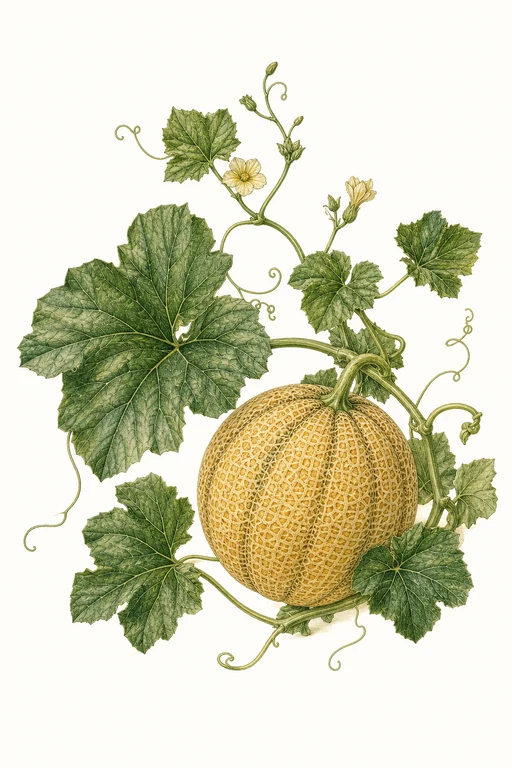
This cantaloupe forms a generous, rounded fruit with a warmly netted rind and a vibrant interior that shines with golden-orange richness at peak ripeness. Grow it for standout fresh enjoyment and for showy fruit-forward bowls, salsas, and preserves that capture its signature perfume.
Light: Full SunMaturity: 80 DaysHabit: Vine
Planting schedules and alerts are optimized for Columbus (Zone 6b).
Crop Dates
| Milestone | Date |
|---|---|
| Start Indoors | Apr 11th |
| Last Frost | Apr 25th |
| Transplant / Sow Outdoors | May 9th |
| Harvest Begins | Jul 28th |
| Harvest Ends | Oct 16th |
Crop Details
| Trait | Value |
|---|---|
| Days to Maturity | 80 |
| Sun Requirements | Full Sun |
| Growth Habit | Vine |
| Support Needed | Trellis |
| Planting Depth | Normal |
| Germination Temp (°F) | 80 |
| Min Soil Temp (°F) | 65 |
| Min Night Temp (°F) | 55 |
| Harden Off (days) | 10 |
Culinary Notes

Chef's Note
Heritage F1 leans all-in on aroma and melt-in-your-mouth juiciness—chill it hard and eat it simply so the honeyed perfume doesn’t get cooked off. When you add acid or heat (lime, chili), it snaps the sweetness into focus without turning watery.

Best Uses
- ice-cold spoon service with a squeeze of lime
- fruit-forward salsa for grilled fish or pork
- chunked preserve/puree for a perfumed jam-like spread
- blended smoothie or sorbet base for a clean, fragrant finish

Flavor Profile

Frequently Asked Questions
What pest is most likely to hit Cucumis melo (crane melon family) and what should I do first?
How often should I water Cucumis melo during the main growing phase?
How can I tell when my Cucumis melo is ready to harvest?
Sowing Tips

Transplant Conditions
Wait until soil reaches 65°F and nights stay above 55°F before moving outdoors. Harden off for 10 days first.

Direct Sow Preferred
Sensitive roots — does not transplant well. If starting indoors, use biodegradable pots and disturb roots as little as possible when moving outdoors.
Expert Note

For best disease-free vigor, wait for warm soil before transplanting and keep stems dry (water at the base) while using a mulch once vines start running.