
Heritage
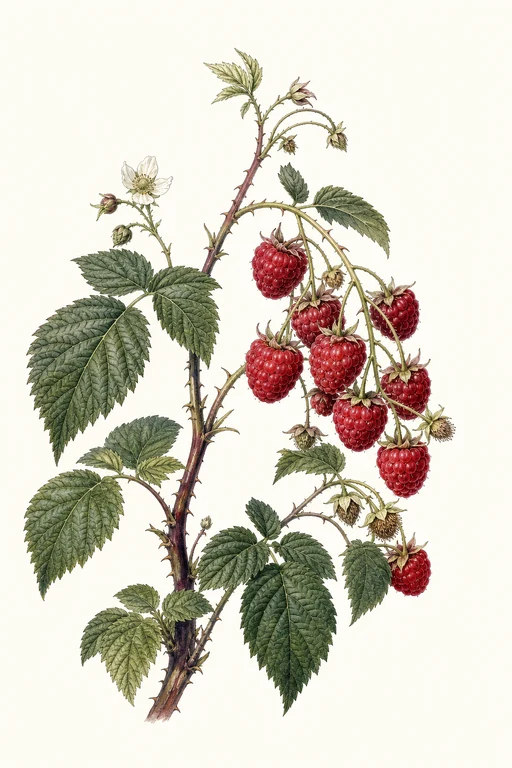
Bursting with a vivid, jewel-bright raspberry aroma, Heritage delivers berries that are richly sweet yet pleasantly tangy, with a tender, juicy bite and a delicate, perfumed finish.
At maturity, canes bear clusters of medium-to-large fruit that gleam in the sun, inviting repeat harvests for fresh enjoyment and for turning into luscious preserves and vibrant sauces. A heritage favorite for gardeners who want showy color, abundant flavor, and a classic berry experience from a well-managed patch.
Light: Full SunMaturity: 90 DaysHabit: Spreading
Planting schedules and alerts are optimized for Columbus (Zone 6b).
Crop Dates
| Milestone | Date |
|---|---|
| Start Indoors | Direct Sow |
| Last Frost | Apr 25th |
| Transplant / Sow Outdoors | Apr 25th |
| Harvest Begins | Jul 24th |
| Harvest Ends | Oct 16th |
Crop Details
| Trait | Value |
|---|---|
| Days to Maturity | 90 |
| Sun Requirements | Full Sun |
| Growth Habit | Spreading |
| Support Needed | None |
| Planting Depth | Normal |
| Germination Temp (°F) | 70 |
| Min Soil Temp (°F) | 45 |
| Min Night Temp (°F) | 32 |
| Harden Off (days) | Not Required |
Culinary Notes

Chef's Note
Heritage raspberries hit with sweet perfume first, then a tangy, mouth-clearing snap—ideal for quick reductions where the fruit stays juicy instead of turning metallic. Their tenderness makes them shine in custards and yogurt, but they’re also built for preserves and sauce because the flavor holds up through heat.

Best Uses
- hot-and-fast raspberry compote for spooning over vanilla yogurt
- punchy preserves or seed-studded jam where the tang stays vivid
- silky swirl for cheesecake and custards
- quick-reduction sauce for duck or pork

Flavor Profile

Kitchen Pairings
Frequently Asked Questions
What pest or disease commonly affects Rubus idaeus (raspberry), and what should I do if I see it?
How often should I water Rubus idaeus during the main growing phase, and what soil moisture should I maintain?
How can I tell when Rubus idaeus is ready to harvest?
Sowing Tips

Transplant Conditions
Wait until soil reaches 45°F and nights stay above 32°F before moving outdoors.
Expert Note

Plant raspberries in full sun with a well-drained site, then control canes (summer-prune or fall-bearing tip-prune) so plants focus energy on fruiting canes.