
Hidatsa Shield Figure
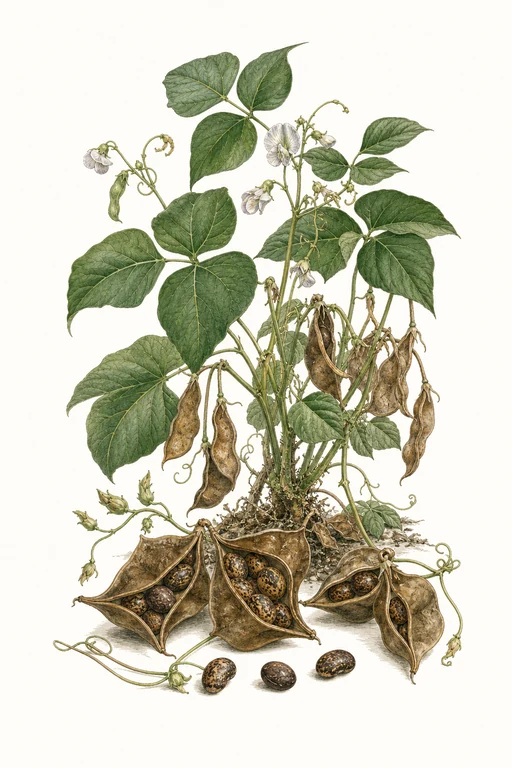
Sink your spoon into the rich, earthy allure of Hidatsa Shield Figure dry beans—each seed forms a distinctive shield-like shape with a deep, mottled character that promises hearty satisfaction.
Once cooked, the texture turns tender and creamy with a gentle, nutty depth that holds its own in slow-simmered favorites and robust pantry staples. Grow this heritage variety for a dependable 90-day harvest and a harvest basket full of visually striking beans ready to become your go-to base for comforting meals and bold flavors.
Light: Full SunMaturity: 90 DaysHabit: Clumping
Planting schedules and alerts are optimized for Columbus (Zone 6b).
Crop Dates
| Milestone | Date |
|---|---|
| Start Indoors | Direct Sow |
| Last Frost | Apr 25th |
| Transplant / Sow Outdoors | Apr 25th |
| Harvest Begins | Jul 24th |
| Harvest Ends | Oct 16th |
Crop Details
| Trait | Value |
|---|---|
| Days to Maturity | 90 |
| Sun Requirements | Full Sun |
| Growth Habit | Clumping |
| Support Needed | Trellis |
| Planting Depth | Normal |
| Germination Temp (°F) | 70 |
| Min Soil Temp (°F) | 60 |
| Min Night Temp (°F) | 55 |
| Harden Off (days) | Not Required |
Culinary Notes

Chef's Note
Hidatsa Shield Figure is a dry bean built for the slow pot: it turns creamy without collapsing, so it thickens broth and holds its shape in chili and soups. The nutty, earthy flavor loves smoke and acid—finish with vinegar to wake up the whole pot.

Best Uses
- long-simmered bean soups with a spoonable broth
- thickened chili/stew where the beans help carry body
- smoky purees for dips and sandwich spreads
- warm salads where the beans stay intact and tender

Flavor Profile

Kitchen Pairings
Frequently Asked Questions
What pest or disease issue is most common for Phaseolus vulgaris (Hidatsa Shield Figure beans), and how do I manage it?
During the main growing phase, how often should I water Phaseolus vulgaris and what soil moisture level should I maintain?
How can I tell when Hidatsa Shield Figure (Phaseolus vulgaris) is ready to harvest?
Sowing Tips

Transplant Conditions
Wait until soil reaches 60°F and nights stay above 55°F before moving outdoors.
Expert Note

Direct-sow after your last spring frost when soil has warmed; keep it on the dry side early since beans establish best with minimal moisture stress after germination.