
Hokkaido Zairai
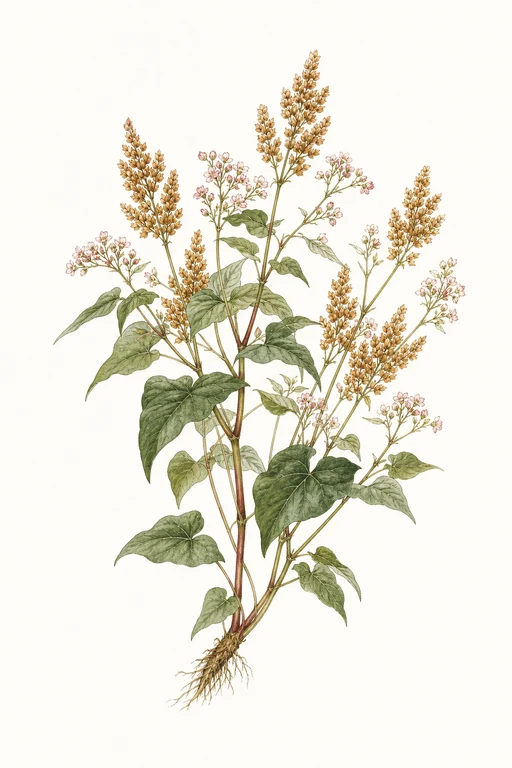
Aromatic and nutty from the first breath of the growing patch, Hokkaido Zairai buckwheat forms a soft, upright canopy that feels almost feathery in the breeze.
At maturity, the grain develops with a clean, earthy flavor profile and a pleasantly firm bite, ideal for hearty buckwheat preparations and wholesome pantry staples. Grow it for its distinctive, honey-sweet blossoms and for the satisfying, rustic character its seed brings to traditional buckwheat favorites.
Light: Full SunMaturity: 75 DaysHabit: Upright
Planting schedules and alerts are optimized for Columbus (Zone 6b).
Crop Dates
| Milestone | Date |
|---|---|
| Start Indoors | Direct Sow |
| Last Frost | Apr 25th |
| Transplant / Sow Outdoors | Apr 25th |
| Harvest Begins | Jul 9th |
| Harvest Ends | Oct 16th |
Crop Details
| Trait | Value |
|---|---|
| Days to Maturity | 75 |
| Sun Requirements | Full Sun |
| Growth Habit | Upright |
| Support Needed | None |
| Planting Depth | Normal |
| Germination Temp (°F) | 60 |
| Min Soil Temp (°F) | 50 |
| Min Night Temp (°F) | 35 |
| Harden Off (days) | Not Required |
Culinary Notes

Chef's Note
Hokkaido Zairai buckwheat leans aromatic and nutty, with groats that cook up with a firmer bite instead of turning grainy or mushy—exactly what you want for hot bowls and hearty fillings. Toasting the groats first lets that honeyed, earthy perfume bloom before it settles into a chewy, satisfying mouthfeel.

Best Uses
- kasha-style toasted groats with hot butter and salt
- buckwheat noodles or thick soba-like bowls that stay springy
- stuffing/grain pilaf where the seed holds texture through braises
- pancakes/crepes with a rustic, fragrant edge

Flavor Profile

Kitchen Pairings
Frequently Asked Questions
What pest or disease most commonly affects Fagopyrum esculentum (buckwheat), and how can I stop it?
How often should I water Fagopyrum esculentum during its main growth phase?
How can I tell when Hokkaido Zairai buckwheat (Fagopyrum esculentum) is ready to harvest?
Sowing Tips

Transplant Conditions
Wait until soil reaches 50°F and nights stay above 35°F before moving outdoors.
Expert Note

For reliable grain, sow as soon as spring soil is workable and keep moisture steady until emergence—buckwheat dislikes transplanting.