
Homestead 500
Sink your senses into Homestead 500’s rich, old-fashioned beefsteak flavor—fragrant, juicy, and deeply savory with a balanced sweetness that lingers on the palate.
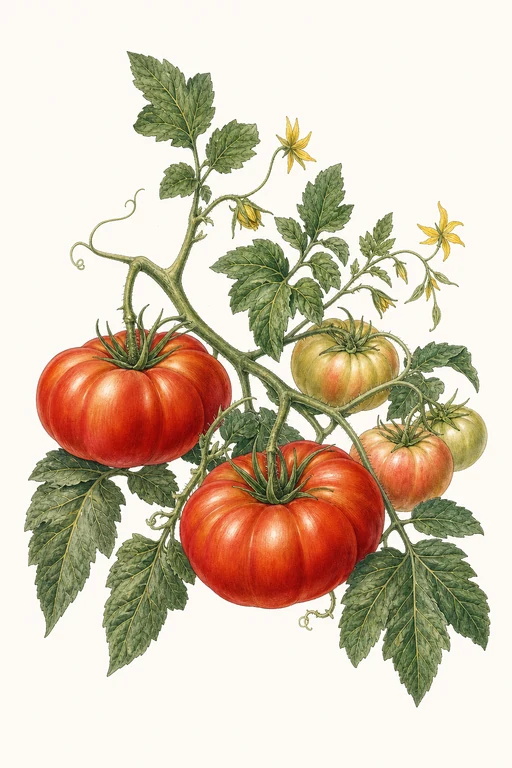
At maturity, fruits develop a handsome, meaty texture with a classic, slightly ribbed shape that feels substantial in the hand and performs beautifully for hearty garden favorites. Grow Homestead 500 for bold slices and thick, satisfying results in your favorite tomato-forward preparations, from fresh plates to slow-simmered sauces and tangy preserves.
Light: Full SunMaturity: 85 DaysHabit: Indeterminate
Crop Dates : 7b
| Milestone | Date |
|---|---|
| Start Indoors | Feb 20th |
| Last Frost | Apr 10th |
| Transplant / Sow Outdoors | Jun 5th |
| Harvest Begins | Aug 29th |
| Harvest Ends | Oct 28th |
Crop Details
| Trait | Value |
|---|---|
| Days to Maturity | 85 |
| Sun Requirements | Full Sun |
| Growth Habit | Indeterminate |
| Support Needed | Cage |
| Planting Depth | Deep |
| Germination Temp (°F) | 75 |
| Min Soil Temp (°F) | 60 |
| Min Night Temp (°F) | 50 |
| Harden Off (days) | 9 |
Culinary Notes

Chef's Note
Homestead 500 leans into that old-school beefsteak character—fragrant, savory, and juicy, with enough meat to stay handsome when sliced thick. It’s built for applications where tomato has to carry the show: hot sears, long simmers, and spoonable sauces rather than watery salad duties.

Best Uses
- thick slice sandwiches on sturdy bread (won’t fully collapse into a wet mess)
- grilled or roasted tomato halves for charred edges and spoonable flesh
- slow-simmered sauce where you want body without excess water
- tangy tomato preserves/chutney for a jammy, seed-and-flesh texture

Flavor Profile

Kitchen Pairings
Frequently Asked Questions
What’s a common disease or pest problem for Solanum lycopersicum (tomatoes) and how do I control it?
How often should I water tomatoes (Solanum lycopersicum) during the main growing phase?
How can I tell when Solanum lycopersicum is ready to harvest?
Sowing Tips

Transplant Conditions
Wait until soil reaches 60°F and nights stay above 50°F before moving outdoors. Harden off for 9 days first.
Expert Note

Start with sturdy seedlings, keep them warm before transplanting (soil ~60°F+), and avoid overwatering early to support strong disease resistance.