
Honey Bee Blue
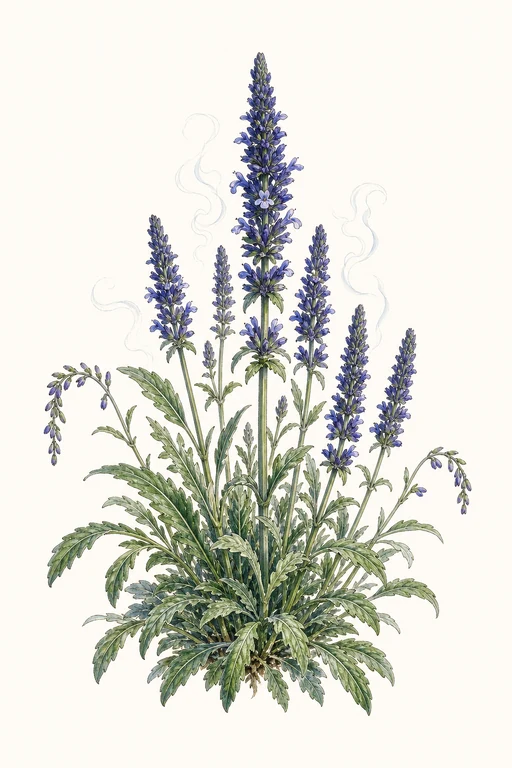
Honey Bee Blue opens with a heady, honeyed anise fragrance that rises from velvety, lance-shaped foliage and lingers in the garden air.
At maturity, it forms a graceful mound of deep blue-purple flower spikes, rich in nectar and irresistible to pollinators—perfect for fresh bouquets and aromatic drying. Grow Honey Bee Blue for its bold licorice-cool flavor profile and its ability to elevate teas, syrups, and fragrant infusions with a clean, lingering sweetness.
Light: Full SunMaturity: 70 DaysHabit: Upright
Planting schedules and alerts are optimized for Columbus (Zone 6b).
Crop Dates
| Milestone | Date |
|---|---|
| Start Indoors | Mar 14th |
| Last Frost | Apr 25th |
| Transplant / Sow Outdoors | Jun 6th |
| Harvest Begins | Aug 15th |
| Harvest Ends | Oct 16th |
Crop Details
| Trait | Value |
|---|---|
| Days to Maturity | 70 |
| Sun Requirements | Full Sun |
| Growth Habit | Upright |
| Support Needed | None |
| Planting Depth | Normal |
| Germination Temp (°F) | 70 |
| Min Soil Temp (°F) | 60 |
| Min Night Temp (°F) | 35 |
| Harden Off (days) | 7 |
Culinary Notes

Chef's Note
Agastache foeniculum reads like a flirtation between mint and licorice—sweet at first, then cool and fragrant—so you want it where aromatics can do the work (steeping, syrups, gentle fruit pairings). Chop or bruise lightly and use it sparingly: a little goes a long way, and it stays smooth in infusion without turning harsh.

Best Uses
- steeped tea or cold-brew infusions for a licorice-cool finish
- anise-scented syrups for cocktails, soda, and espresso drinks
- chopped-leaf garnish on fruit salad or yogurt to keep its perfumed edge
- lightly bruised leaves in fruit compote or poached pear

Flavor Profile

Frequently Asked Questions
Agastache foeniculum (Honey Bee Blue) has black, wilting stems—what pest or disease is most likely and how do I fix it?
How often should I water Agastache foeniculum during active growth so it thrives without rotting?
How can I tell when Honey Bee Blue (Agastache foeniculum) is ready to harvest at about 70 days?
Sowing Tips

Transplant Conditions
Wait until soil reaches 60°F and nights stay above 35°F before moving outdoors. Harden off for 7 days first.
Expert Note

Start seeds indoors early, keep them lightly moist (not soggy), then transplant after nights stay reliably mild to avoid slow growth.