
Honey Brew
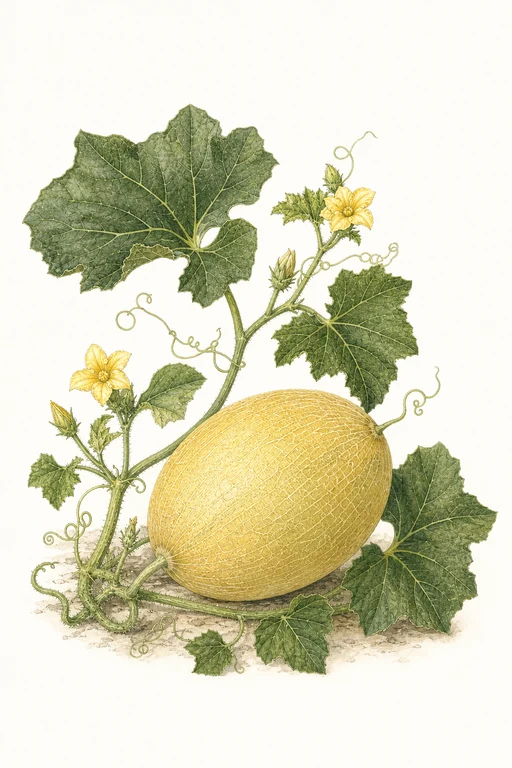
Fragrant and honey-sweet, Honey Brew Honeydew Melon fills the air with a golden perfume as it ripens—its flesh is luxuriously juicy and tender, with a smooth, melt-in-the-mouth texture.
Expect a pale, creamy interior wrapped in a softly netted rind, ideal for refreshing slices and show-stopping fruit platters, as well as silky smoothies and vibrant fruit sauces. Grow Honey Brew for a long, satisfying season and a harvest that tastes like late-summer sunshine.
Light: Full SunMaturity: 80 DaysHabit: Vine
Planting schedules and alerts are optimized for Columbus (Zone 6b).
Crop Dates
| Milestone | Date |
|---|---|
| Start Indoors | May 9th |
| Last Frost | Apr 25th |
| Transplant / Sow Outdoors | May 23rd |
| Harvest Begins | Aug 11th |
| Harvest Ends | Oct 16th |
Crop Details
| Trait | Value |
|---|---|
| Days to Maturity | 80 |
| Sun Requirements | Full Sun |
| Growth Habit | Vine |
| Support Needed | Trellis |
| Planting Depth | Normal |
| Germination Temp (°F) | 75 |
| Min Soil Temp (°F) | 65 |
| Min Night Temp (°F) | 55 |
| Harden Off (days) | 12 |
Culinary Notes

Chef's Note
Honey Brew leans intensely fragrant and honeyed, with a soft, almost creamy mouthfeel—handle it gently so it stays juicy, not watery. Its sweetness loves bright, cold lift (lime, mint) and salty edges (prosciutto, feta) more than heavy spices.

Best Uses
- cold fruit slices that show off melt-in-the-mouth texture
- smoothies where it turns creamy without dairy
- quick fruit sauces/chilled spoon toppings (no cooking needed)
- a knife-and-fork fruit platter star with prosciutto-style salty contrasts

Flavor Profile

Frequently Asked Questions
What pest or disease is most likely on Cucumis melo (honeydew) and how do I treat it?
How often should I water Cucumis melo during the main growing phase?
How can I tell when my honeydew melon (Cucumis melo) is ready to harvest?
Sowing Tips

Transplant Conditions
Wait until soil reaches 65°F and nights stay above 55°F before moving outdoors. Harden off for 12 days first.

Direct Sow Preferred
Sensitive roots — does not transplant well. If starting indoors, use biodegradable pots and disturb roots as little as possible when moving outdoors.
Expert Note

Start transplants only briefly and avoid root disturbance—warm soil and steady moisture are the keys to early, sweet honeydew.