
Hopi Red Dye
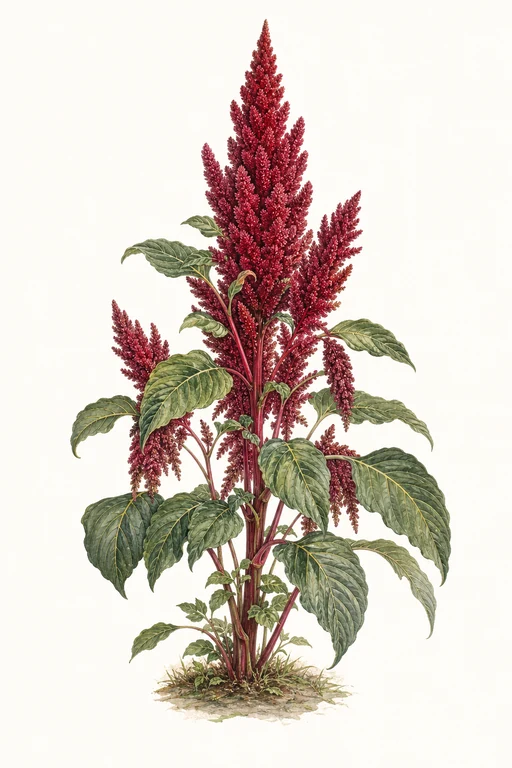
Warm, velvety crimson plumes rise with a painter’s intensity—Hopi Red Dye amaranth is prized for its richly saturated red pigment and its tender, pleasantly earthy flavor.
The foliage and young leaves offer a soft, succulent texture, while the mature seed heads develop a dramatic, velour-like density that’s as striking in the garden as it is in the jar. Grow it for bold color in the landscape and for home use where deep red dye is the goal—an heirloom-minded variety with unmistakable presence.
Light: Full SunMaturity: 70 DaysHabit: Upright
Planting schedules and alerts are optimized for Columbus (Zone 6b).
Crop Dates
| Milestone | Date |
|---|---|
| Start Indoors | Direct Sow |
| Last Frost | Apr 25th |
| Transplant / Sow Outdoors | Apr 25th |
| Harvest Begins | Jul 4th |
| Harvest Ends | Oct 16th |
Crop Details
| Trait | Value |
|---|---|
| Days to Maturity | 70 |
| Sun Requirements | Full Sun |
| Growth Habit | Upright |
| Support Needed | None |
| Planting Depth | Normal |
| Germination Temp (°F) | 70 |
| Min Soil Temp (°F) | 65 |
| Min Night Temp (°F) | 50 |
| Harden Off (days) | Not Required |
Culinary Notes

Chef's Note
Hopi Red Dye amaranth has the kind of mellow earthiness and soft succulence that cooks down fast without turning bitter. Because the pigment reads vivid crimson even after thermal handling, it’s a rare green where the flavor and the color show up together on the plate.

Best Uses
- quick-sautéed leaf greens with garlic and olive oil
- stewed or braised greens until melting-tender
- use the mature, dense seed heads for red-pigmented infusions or thickening
- homemade crimson “dye” application in foods where pigment matters

Flavor Profile

Frequently Asked Questions
What pest or disease most often affects Amaranthus cruentus (Hopi Red Dye), and how can I control it?
How often should I water Amaranthus cruentus during its main growing phase?
How do I know when Hopi Red Dye (Amaranthus cruentus) is ready to harvest?
Sowing Tips

Transplant Conditions
Wait until soil reaches 65°F and nights stay above 50°F before moving outdoors.
Expert Note

Sow after your last spring frost and keep soil evenly moist until the first true leaves emerge; thin to final spacing to maximize deep-red flower head size.