
Hopi Yellow
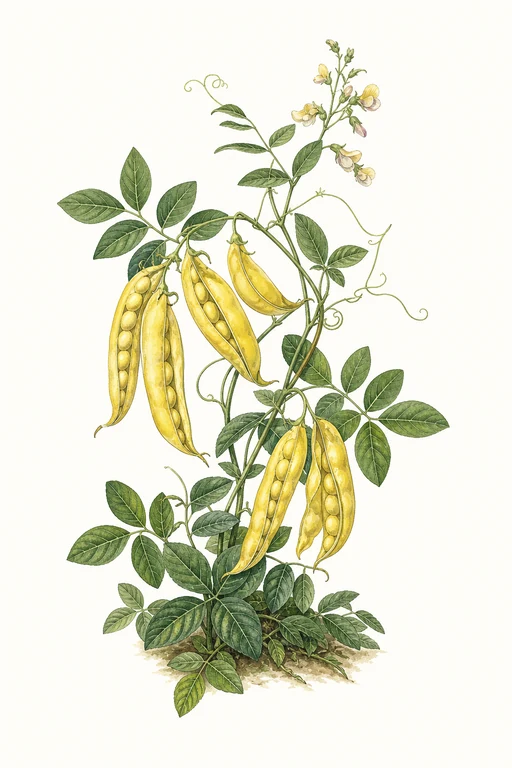
Sunlit Hopi Yellow lima beans fill the pod with a mellow, buttery glow—tender, creamy kernels that feel luxuriously smooth and melt into a rich, velvety bite.
Expect a steady harvest of well-filled pods, with flavor that’s sweet and distinctly mellow, ideal for spoonable comfort in classic bean dishes and hearty sides. Grow Hopi Yellow for a golden table presence and the kind of texture that makes every serving feel specially made.
Light: Full SunMaturity: 85 DaysHabit: Bush
Planting schedules and alerts are optimized for Columbus (Zone 6b).
Crop Dates
| Milestone | Date |
|---|---|
| Start Indoors | Direct Sow |
| Last Frost | Apr 25th |
| Transplant / Sow Outdoors | Apr 25th |
| Harvest Begins | Jul 19th |
| Harvest Ends | Oct 16th |
Crop Details
| Trait | Value |
|---|---|
| Days to Maturity | 85 |
| Sun Requirements | Full Sun |
| Growth Habit | Bush |
| Support Needed | Trellis |
| Planting Depth | Normal |
| Germination Temp (°F) | 75 |
| Min Soil Temp (°F) | 60 |
| Min Night Temp (°F) | 50 |
| Harden Off (days) | Not Required |
Culinary Notes

Chef's Note
Hopi Yellow limes deliver that hallmark lima creaminess—tender kernels that practically melt, so they shine when you want a spoonable, velvety bite rather than a firm chew. Treat them gently with fat and aromatics (butter, thyme, garlic) and let them simmer to full softness; they’ll turn your pot into comfort without falling apart into mush.

Best Uses
- braise into a velvety bean ragout with aromatics
- fold into succotash-style mixes where they become creamy rather than watery
- make a smooth, spoon-thick purée or “bean mash” side
- use in hearty soups/stews for a comforting, silky mouthfeel

Flavor Profile

Frequently Asked Questions
What pest or disease is most likely to hit Phaseolus lunatus (Christmas Lima “Hopi Yellow”), and what should I do first?
How often should I water Phaseolus lunatus during the main growing phase (from flowering through pod fill)?
How can I tell when Hopi Yellow lima beans are ready to harvest at about 85 days?
Sowing Tips

Transplant Conditions
Wait until soil reaches 60°F and nights stay above 50°F before moving outdoors.
Expert Note

For best results, soak seeds overnight and sow only after soils are reliably warm to avoid slow, uneven germination.