
Hot Biscuits
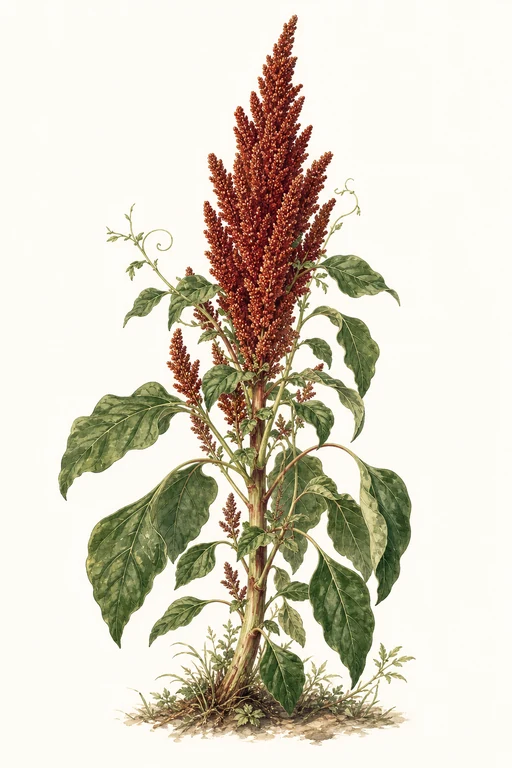
Warm, nutty grains with a toasty, almost honeyed aroma come into their own as Hot Biscuits amaranth matures—each seed a tiny ember of flavor.
The plants form sturdy, upright heads that hold densely packed kernels with a pleasantly chewy bite and a rich, earthy depth. Ideal for grain use, Hot Biscuits shines when you want a hearty, flavorful amaranth harvest for wholesome staples and satisfying homemade mixes.
Light: Full SunMaturity: 90 DaysHabit: Upright
Planting schedules and alerts are optimized for Columbus (Zone 6b).
Crop Dates
| Milestone | Date |
|---|---|
| Start Indoors | Direct Sow |
| Last Frost | Apr 25th |
| Transplant / Sow Outdoors | Apr 25th |
| Harvest Begins | Jul 24th |
| Harvest Ends | Oct 16th |
Crop Details
| Trait | Value |
|---|---|
| Days to Maturity | 90 |
| Sun Requirements | Full Sun |
| Growth Habit | Upright |
| Support Needed | None |
| Planting Depth | Surface |
| Germination Temp (°F) | 70 |
| Min Soil Temp (°F) | 60 |
| Min Night Temp (°F) | 50 |
| Harden Off (days) | Not Required |
Culinary Notes

Chef's Note
This grain amaranth brings a toasted, almost honeyed aroma and a satisfying chewy kernel that holds up in hot, saucy preparations without turning to paste. Use it where you want texture you can chew—think thickened stews, pilaf-style absorption, or warm biscuit-style mixes.

Best Uses
- hot, spoonable grain bowls with butter or olive oil
- grain-based “instant” mixes—stew-thickener or pilaf-style absorptions
- toast-and-braise applications where kernels stay chewy (not mushy)
- seed-forward baking blends for texture (like small-grain inclusions)

Flavor Profile

Kitchen Pairings
Frequently Asked Questions
What’s a common disease problem for Amaranthus (Amaranthus hybridus) and how do I treat it?
How often should I water Amaranthus hybridus during active growth?
How can I tell when Amaranthus hybridus is ready to harvest?
Sowing Tips

Transplant Conditions
Wait until soil reaches 60°F and nights stay above 50°F before moving outdoors.
Expert Note

Treat this as a warm-season ornamental—sow after frost when soil is reliably warm for best emergence and flowering.