
Huckleberry
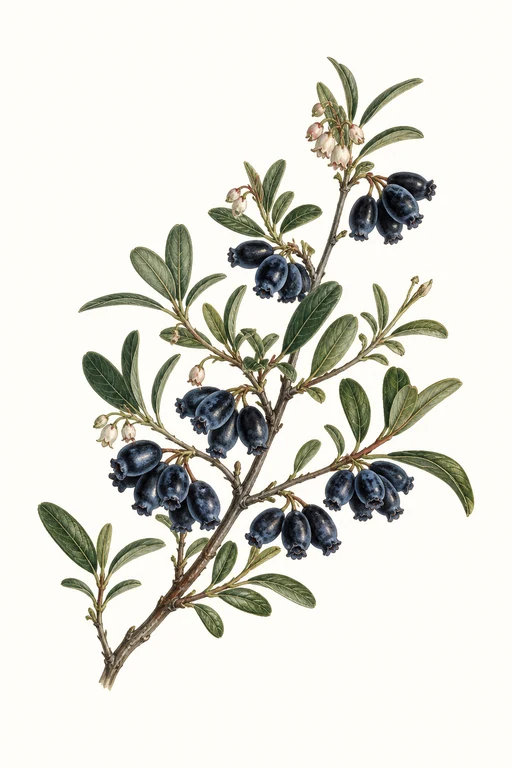
Plump huckleberries arrive in a velvet hush of flavor—tart-sweet berries with a dark, winey depth that feels both bright and wild on the palate.
Expect a tender, juicy texture that bursts with aromatic berry character, ideal for fresh enjoyment and for preserving into rich sauces and preserves. Grow Huckleberry for a long season of garden beauty and a steady harvest of jewel-toned fruit, perfect for spooning, simmering, or bottling into your favorite berry specialties.
Light: Part SunMaturity: 365 DaysHabit: Shrub
Crop Dates : 8a
| Milestone | Date |
|---|---|
| Start Indoors | Direct Sow |
| Last Frost | Apr 1st |
| Transplant / Sow Outdoors | Apr 1st |
| Harvest Begins | Apr 1st |
| Harvest Ends | Nov 5th |
Crop Details
| Trait | Value |
|---|---|
| Days to Maturity | 365 |
| Sun Requirements | Part Sun |
| Growth Habit | Shrub |
| Support Needed | None |
| Planting Depth | Normal |
| Germination Temp (°F) | 70 |
| Min Soil Temp (°F) | 45 |
| Min Night Temp (°F) | 28 |
| Harden Off (days) | 7 |
Culinary Notes

Chef's Note
Huckleberries bring a sharp, aromatic tang and a juicy texture that collapses pleasantly—ideal when you want the flavor to read bright even after heat. Treat them like a more expressive blueberry: quick cooks and reductions preserve their berry bite and perfume.

Best Uses
- jam and quick compote where the berries thicken without tasting cooked down
- baking—tart filling for pies, hand pies, and crumbles that stay bright instead of flat
- swirling into yogurt or ice cream for a marbled, tang-forward spoonful
- sauce for game or pork: reduce to a glossy, spoon-coating lacquer

Flavor Profile

Frequently Asked Questions
What pests or diseases commonly affect Vaccinium ovatum, and how can I prevent them?
How often should I water Vaccinium ovatum during the main growing season, and what soil moisture target should I maintain?
How do I know when Vaccinium ovatum is ready to harvest?
What soil preparation and fertilizing approach works best for Vaccinium ovatum?
What spacing should I use, and should I transplant or direct-sow Vaccinium ovatum?
What’s the most common beginner mistake or timing pitfall with Vaccinium ovatum?
Sowing Tips

Transplant Conditions
Wait until soil reaches 45°F and nights stay above 28°F before moving outdoors. Harden off for 7 days first.
Expert Note

Plant huckleberries in strongly acidic soil (pH ~4.5–5.5) with organic mulch, and keep moisture consistent—avoid letting the root zone dry out or sit waterlogged.