
Hutterite Soup
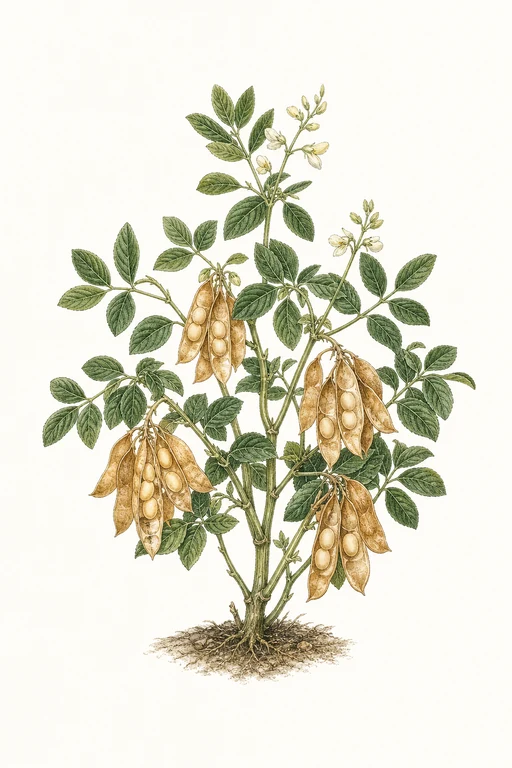
Sink your spoon into the rich, earthy allure of Hutterite Soup dry beans, where each seed holds a velvety, creamy interior and a clean, nutty depth.
As they mature, the pods dry down to a crisp finish, delivering dependable harvests of uniform, hearty beans prized for slow-simmered comfort and thick, spoon-coating potfuls. Plant for the satisfaction of building flavor from scratch—Hutterite Soup is a steadfast choice for gardeners who love reliable performance and satisfying results.
Light: Full SunMaturity: 95 DaysHabit: Bush
Planting schedules and alerts are optimized for Columbus (Zone 6b).
Crop Dates
| Milestone | Date |
|---|---|
| Start Indoors | Direct Sow |
| Last Frost | Apr 25th |
| Transplant / Sow Outdoors | Apr 25th |
| Harvest Begins | Jul 29th |
| Harvest Ends | Oct 16th |
Crop Details
| Trait | Value |
|---|---|
| Days to Maturity | 95 |
| Sun Requirements | Full Sun |
| Growth Habit | Bush |
| Support Needed | None |
| Planting Depth | Normal |
| Germination Temp (°F) | 70 |
| Min Soil Temp (°F) | 60 |
| Min Night Temp (°F) | 50 |
| Harden Off (days) | Not Required |
Culinary Notes

Chef's Note
These dry beans are built for patient heat: they break down into a creamy, spoon-coating texture without getting gritty, so they thicken the pot naturally. Choose them when you want the flavor to come up through the broth—slow-simmer them with aromatics and a clean acid finish to wake everything up.

Best Uses
- slow-simmered bean soup until the spoon stands up
- thickened bean ragù for pasta or polenta
- refried-style mashing for a silky scoopable spread
- seasoned bean stew where the beans carry the salt and smoke

Flavor Profile

Frequently Asked Questions
What pests or diseases most commonly affect Phaseolus vulgaris (bean) and what should I do?
How often should I water Phaseolus vulgaris during the main growing phase?
How can I tell when Phaseolus vulgaris is ready to harvest at about 95 days?
Sowing Tips

Transplant Conditions
Wait until soil reaches 60°F and nights stay above 50°F before moving outdoors.
Expert Note

Direct-sow dry beans after the soil warms to reduce fungal issues and to avoid transplant shock (beans resent root disturbance).