
Hutterite
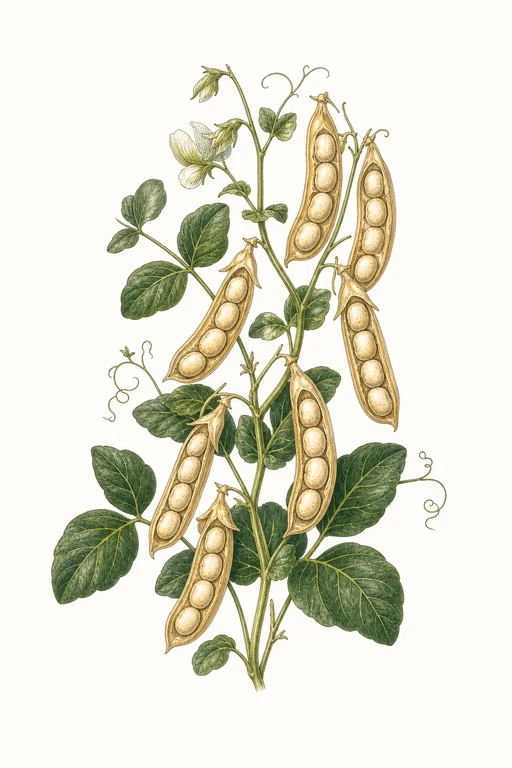
Meet Hutterite Dry Bean for a harvest that feels as satisfying as it tastes—smooth, creamy interiors cradled within sturdy pods, with a clean, nutty flavor that deepens beautifully as the season settles.
The beans develop a uniform, dependable character and a pleasantly firm, tender bite once rehydrated, making them a pantry staple you’ll reach for again and again. Grow Hutterite for reliable yields and classic dry-bean versatility in hearty favorites, from comforting pot meals to robust sauces and slow-simmered favorites.
Light: Full SunMaturity: 90 DaysHabit: Bush
Planting schedules and alerts are optimized for Columbus (Zone 6b).
Crop Dates
| Milestone | Date |
|---|---|
| Start Indoors | Direct Sow |
| Last Frost | Apr 25th |
| Transplant / Sow Outdoors | Apr 25th |
| Harvest Begins | Jul 24th |
| Harvest Ends | Oct 16th |
Crop Details
| Trait | Value |
|---|---|
| Days to Maturity | 90 |
| Sun Requirements | Full Sun |
| Growth Habit | Bush |
| Support Needed | None |
| Planting Depth | Normal |
| Germination Temp (°F) | 60 |
| Min Soil Temp (°F) | 60 |
| Min Night Temp (°F) | 45 |
| Harden Off (days) | Not Required |
Culinary Notes

Chef's Note
Hutterite is a dependable dry bean with interiors that turn creamy without collapsing, so they stay hearty in stews instead of turning grainy. It’s built for long, gentle cooking—rehydrate, simmer with aromatics, and let the nutty flavor deepen under a slow reduction.

Best Uses
- slow-simmered beans for a velvety pot meal (not mushy)
- thickened bean purées and rustic spreads
- robust chili and bean-forward stews where the beans hold their shape
- bay-leaf/garlic braises that benefit from long, gentle reduction

Flavor Profile

Frequently Asked Questions
What’s the most common disease issue for Phaseolus vulgaris (bean) and how do I manage it?
How often should I water Phaseolus vulgaris during the main growing phase?
How can I tell when Phaseolus vulgaris is ready to harvest?
Sowing Tips

Transplant Conditions
Wait until soil reaches 60°F and nights stay above 45°F before moving outdoors.
Expert Note

Sow once soil is warm and keep beds evenly moist until emergence—dry beans dislike cold, and transplanting is generally not worth the root damage.