
Illini Hardy
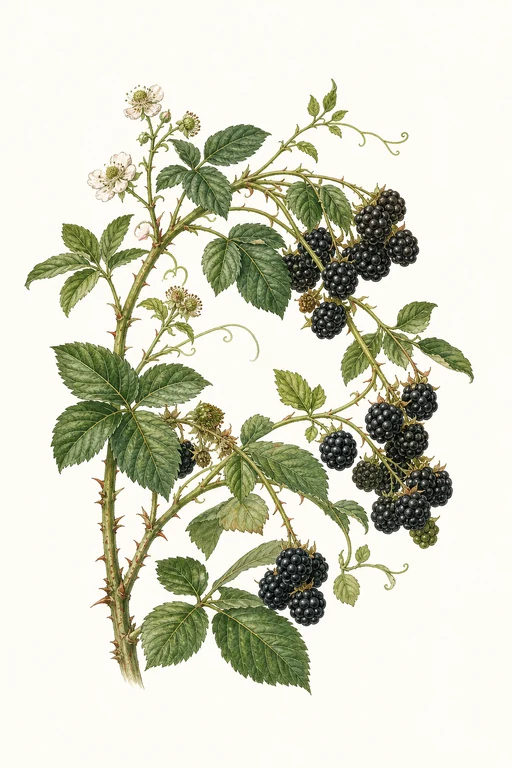
Sink your senses into Illini Hardy’s glossy, inky-black berries—sweet-tart and richly aromatic, with a firm, juicy bite that holds its character through harvest.
This blackberry forms a vigorous, bramble-clad plant with canes that are built for resilience, delivering dependable fruit year after year for the home gardener. Grow Illini Hardy for abundant, bold berries that shine in fresh bowls and burst beautifully in preserves, sauces, and deep-colored desserts.
Light: Full SunMaturity: 365 DaysHabit: Shrub
Planting schedules and alerts are optimized for Columbus (Zone 6b).
Crop Dates
| Milestone | Date |
|---|---|
| Last Frost | Apr 25th |
| Growing Approach | Protected Environment Only |
Crop Details
| Trait | Value |
|---|---|
| Days to Maturity | 365 |
| Sun Requirements | Full Sun |
| Growth Habit | Shrub |
| Support Needed | Trellis |
| Planting Depth | Normal |
| Germination Temp (°F) | 70 |
| Min Soil Temp (°F) | 50 |
| Min Night Temp (°F) | 28 |
| Harden Off (days) | 7 |
Culinary Notes

Chef's Note
Illini Hardy brings that classic blackberry tang with a firm, juicy structure—so it holds up in a hot skillet for compote without collapsing into purée. It’s especially strong for high-fruit preserves and dessert swirls where the flavor has to read bright against sweetness.

Best Uses
- fresh bowl berries that stay springy in the mouth
- high-set preserves and quick jam (fast gel, deep color)
- simmered compote for pancakes or yogurt with minimal thinning
- swirled into shortcake and cheesecake for a tang-forward ripple

Flavor Profile

Frequently Asked Questions
What pest or disease commonly affects Rubus fruticosus (blackberry) like Illini Hardy, and how can I manage it at home?
How often should I water Rubus fruticosus during the main growing season, and what soil moisture level should I maintain?
How do I tell when Illini Hardy blackberry (Rubus fruticosus) is ready to harvest?
Sowing Tips

Transplant Conditions
Wait until soil reaches 50°F and nights stay above 28°F before moving outdoors. Harden off for 7 days first.
Expert Note

Plant blackberry crowns so the crown sits at grade, water in deeply, and plan to mulch to moderate soil temperature year-round.