
Illumination
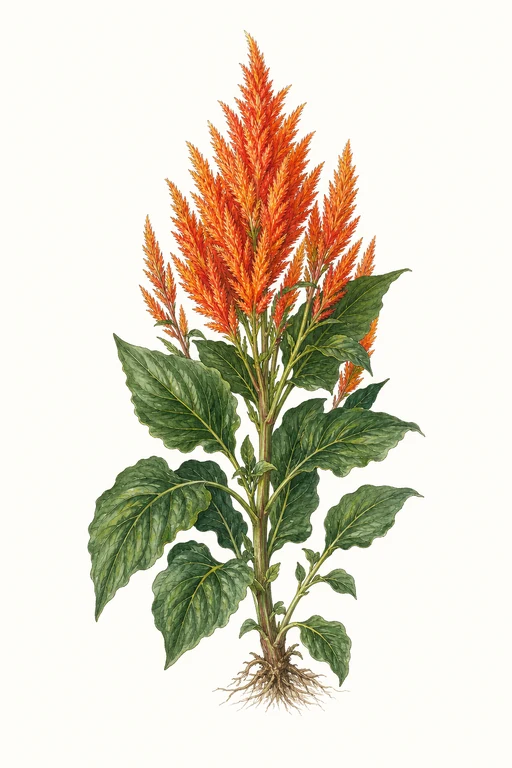
Radiant, sunset-bright plumes rise above sturdy foliage with a luminous, jewel-toned presence—Illumination amaranth is a feast for the eyes and a delight for the senses.
The tender leaves offer a pleasantly earthy, mildly sweet flavor with a succulent, velvety bite, while the young grain heads bring a satisfying, nutty depth. Grow Illumination for fresh leaf use and vibrant culinary color in sauces and quick sautés, or to dry and preserve for pantry-ready texture and striking visual impact.
Light: Full SunMaturity: 70 DaysHabit: Upright
Planting schedules and alerts are optimized for Columbus (Zone 6b).
Crop Dates
| Milestone | Date |
|---|---|
| Start Indoors | Direct Sow |
| Last Frost | Apr 25th |
| Transplant / Sow Outdoors | Apr 25th |
| Harvest Begins | Jul 4th |
| Harvest Ends | Oct 16th |
Crop Details
| Trait | Value |
|---|---|
| Days to Maturity | 70 |
| Sun Requirements | Full Sun |
| Growth Habit | Upright |
| Support Needed | None |
| Planting Depth | Normal |
| Germination Temp (°F) | 70 |
| Min Soil Temp (°F) | 65 |
| Min Night Temp (°F) | 50 |
| Harden Off (days) | Not Required |
Culinary Notes

Chef's Note
Illumination amaranth walks a line between tender greens and small nutty grain—so it stays interesting without turning woolly. Use it fast (hot, short cook) to keep that velvety bite, then hit it with acid and chili so the earthy sweetness pops.

Best Uses
- quick sautéed amaranth leaves with garlic and olive oil
- steam-and-fold into warm grain bowls and tacos
- stir into brothy soups for nutty body
- use young grain heads as a crunchy garnish on roasted vegetables or rice

Flavor Profile

Frequently Asked Questions
What pest or disease commonly affects Amaranthus cruentus, and how can I manage it?
How often should I water Amaranthus cruentus during its main growing phase?
How do I know when Amaranthus cruentus is ready to harvest?
Sowing Tips

Transplant Conditions
Wait until soil reaches 65°F and nights stay above 50°F before moving outdoors.
Expert Note

Grow in full sun and only after warm weather settles; keep soil moderately fertile because excessive nitrogen can reduce the flame-like gold/red bracts.