
Imperial Star
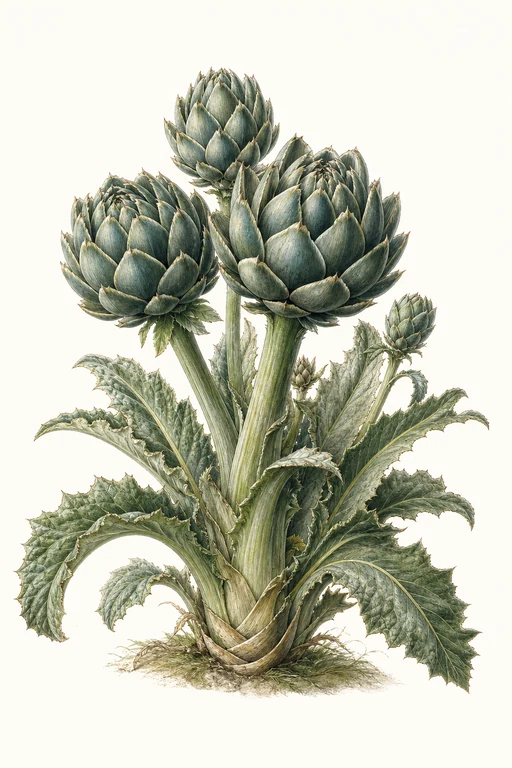
Unfurling in late season, Imperial Star artichokes bring a regal, velvety spectacle—tightly packed bracts with a rich, nutty fragrance that feels almost floral in the garden air.
The heads mature to a handsome, globe form with meaty, tender texture prized for centerpiece-style roasting, steaming, and bold dips, as well as for preserving in briny pickles. Grow Imperial Star for a long, satisfying harvest window and a show-stopping silhouette that turns every bed into a living bouquet.
Light: Full SunMaturity: 120 DaysHabit: Upright
Planting schedules and alerts are optimized for Columbus (Zone 6b).
Crop Dates
| Milestone | Date |
|---|---|
| Start Indoors | Direct Sow |
| Last Frost | Apr 25th |
| Transplant / Sow Outdoors | Apr 25th |
| Harvest Begins | Aug 23rd |
| Harvest Ends | Oct 16th |
Crop Details
| Trait | Value |
|---|---|
| Days to Maturity | 120 |
| Sun Requirements | Full Sun |
| Growth Habit | Upright |
| Support Needed | None |
| Planting Depth | Normal |
| Germination Temp (°F) | 70 |
| Min Soil Temp (°F) | 40 |
| Min Night Temp (°F) | 32 |
| Harden Off (days) | 7 |
Culinary Notes

Chef's Note
Imperial Star’s tightly packed, meaty bracts are built for heat—steam or roast them hard enough to sweeten the heart while the leaf brings controlled, nutty bitterness. Serve with lemony, salty dips so every bract offers a different chew: velvety tenderness at the tip, then that firm, savory bite toward the base.

Best Uses
- steam until the bracts pull clean for hot dipping
- roast whole until the leaves char and the heart turns caramel-sweet
- thin-brine pickle for snappy, saline bites
- make a briny artichoke dip with lemon and mayo for maximum stick-to-the-fork payoff

Flavor Profile

Kitchen Pairings
Frequently Asked Questions
What pest or disease commonly affects Cynara scolymus (artichokes), and how can I control it at home?
How often should I water Cynara scolymus during the main growing phase, and what soil moisture level is best?
How do I tell when “Imperial Star” (Cynara scolymus) is ready to harvest?
Sowing Tips

Transplant Conditions
Wait until soil reaches 40°F and nights stay above 32°F before moving outdoors. Harden off for 7 days first.
Expert Note

Start plants early for best first-year heads, keep soil evenly moist, and harvest once buds feel tight and firm before the scales loosen.