
Intense Red
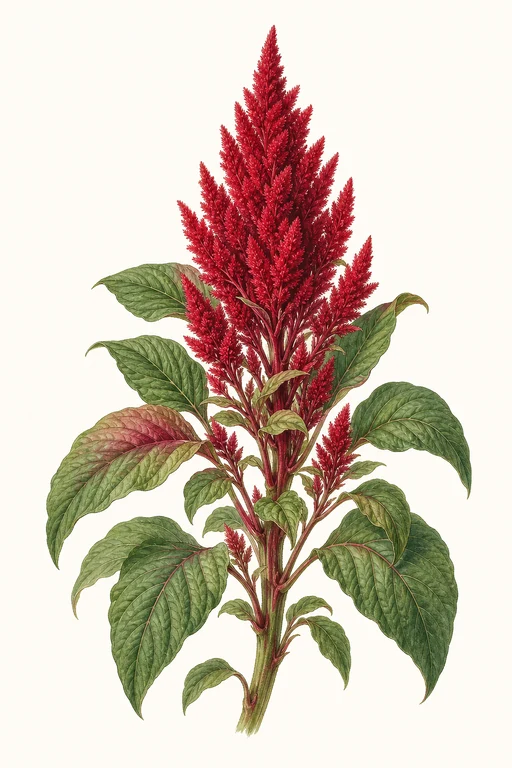
Velvety, intensely red plumes rise with a dramatic, jewel-like glow—an unmistakable spectacle in the garden.
Intense Red amaranth delivers tender, succulent leaves with a mild, earthy sweetness and a pleasantly crisp bite, perfect for fresh bunches and vibrant color in every harvest. Grow it for striking summer-to-fall beauty and for foliage that shines in salads, quick sautés, and richly colored sauces and pickling brines.
Light: Full SunMaturity: 50 DaysHabit: Upright
Planting schedules and alerts are optimized for Columbus (Zone 6b).
Crop Dates
| Milestone | Date |
|---|---|
| Start Indoors | Mar 28th |
| Last Frost | Apr 25th |
| Transplant / Sow Outdoors | Apr 25th |
| Harvest Begins | Jun 14th |
| Harvest Ends | Oct 16th |
Crop Details
| Trait | Value |
|---|---|
| Days to Maturity | 50 |
| Sun Requirements | Full Sun |
| Growth Habit | Upright |
| Support Needed | None |
| Planting Depth | Normal |
| Germination Temp (°F) | 70 |
| Min Soil Temp (°F) | 55 |
| Min Night Temp (°F) | 40 |
| Harden Off (days) | 5 |
Culinary Notes

Chef's Note
Intense Red amaranth eats like a tender spring green—soft, then crisp—so it holds up when you dress it with something bright and acidic rather than letting it steam into mush. I like using it to add ruby color to quick sautés and brines where its mild earthiness won’t fight louder flavors.

Best Uses
- tossed raw with citrus vinaigrette to keep that crisp snap
- quick sauté with olive oil and a splash of acid for minimal browning
- chopped into richly colored sauces or purees to tint without turning bitter
- blanched and folded into warm grain bowls with salty feta or nuts
- pickled/quick-brined leaves for a tangy, jewel-bright crunch

Flavor Profile

Kitchen Pairings
Frequently Asked Questions
What pest or disease most commonly affects Amaranthus cruentus (intense red), and how can I fix it?
How often should I water Amaranthus cruentus during its main growing phase?
How do I know when Amaranthus cruentus is ready to harvest?
Sowing Tips

Transplant Conditions
Wait until soil reaches 55°F and nights stay above 40°F before moving outdoors. Harden off for 5 days first.
Expert Note

For the darkest pigment, keep soil evenly moist and avoid severe heat after transplanting—shade cloth can help in warm spells.