
Iochief
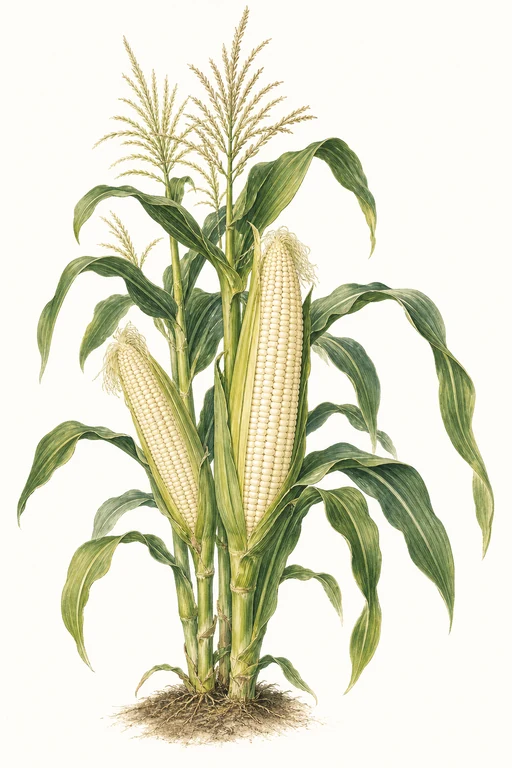
Silk-soft sweetness pours from Iochief’s white kernels, each ear crowned with a tender, milky bite that feels luminous on the palate.
At about 80 days, plants deliver well-filled, medium-large ears with a crisp-yet-silky texture that stays sweet and juicy at harvest. Ideal for fresh enjoyment and for showcasing in buttery, bright preparations—its clean, sweet character shines in simple, crowd-pleasing favorites.
Light: Full SunMaturity: 80 DaysHabit: Upright
Planting schedules and alerts are optimized for Columbus (Zone 6b).
Crop Dates
| Milestone | Date |
|---|---|
| Start Indoors | Direct Sow |
| Last Frost | Apr 25th |
| Transplant / Sow Outdoors | Apr 25th |
| Harvest Begins | Jul 14th |
| Harvest Ends | Oct 16th |
Crop Details
| Trait | Value |
|---|---|
| Days to Maturity | 80 |
| Sun Requirements | Full Sun |
| Growth Habit | Upright |
| Support Needed | None |
| Planting Depth | Normal |
| Germination Temp (°F) | 60 |
| Min Soil Temp (°F) | 60 |
| Min Night Temp (°F) | 50 |
| Harden Off (days) | Not Required |
Culinary Notes

Chef's Note
Iochief’s white sweet kernels go silky and juicy fast—heat it just enough to gloss with fat and encourage light blistering, not drying. It’s built for simple, bright builds: salt + lime, or butter + garlic—so the sweetness stays loud and the texture stays milky.

Best Uses
- shuck-and-eat with salt and a squeeze of lime
- butter-basted skillet corn where kernels blister and stay juicy
- grilled corn cut from the cob for fast, char-kissed bowls
- fresh corn salad with tangy vinaigrette to keep sweetness bright

Flavor Profile

Frequently Asked Questions
What pest or disease most commonly affects sweet corn (Zea mays var. saccharata), and what should I do?
How often should I water sweet corn during the main growing phase?
How can I tell when Zea mays var. saccharata is ready to harvest?
Sowing Tips

Transplant Conditions
Wait until soil reaches 60°F and nights stay above 50°F before moving outdoors.
Expert Note

Plant sweet corn in blocks (not single rows) and keep soil evenly moist after tasseling for best kernel set and sweetness.