
Iroquois
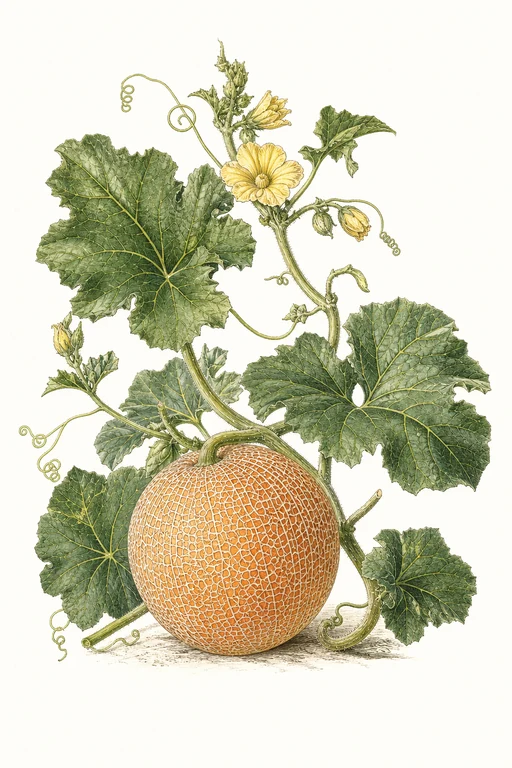
Sink your spoon into Iroquois cantaloupe and savor its intensely fragrant, honeyed sweetness with a lush, orange-salmon glow.
The flesh is tender yet substantial, melting to a velvety bite, while the rind holds a sturdy, netted charm that signals peak ripeness. Grow Iroquois for standout fresh slices and showy fruit that shines in fruit bowls and preserves alike—an heirloom-style treat for gardeners who love to harvest with anticipation.
Light: Full SunMaturity: 75 DaysHabit: Vine
Planting schedules and alerts are optimized for Columbus (Zone 6b).
Crop Dates
| Milestone | Date |
|---|---|
| Start Indoors | Apr 25th |
| Last Frost | Apr 25th |
| Transplant / Sow Outdoors | May 9th |
| Harvest Begins | Jul 23rd |
| Harvest Ends | Oct 16th |
Crop Details
| Trait | Value |
|---|---|
| Days to Maturity | 75 |
| Sun Requirements | Full Sun |
| Growth Habit | Vine |
| Support Needed | Trellis |
| Planting Depth | Normal |
| Germination Temp (°F) | 85 |
| Min Soil Temp (°F) | 70 |
| Min Night Temp (°F) | 55 |
| Harden Off (days) | 10 |
Culinary Notes

Chef's Note
Iroquois cantaloupe is all about that perfumed, honey-forward sweetness with a tender-but-substantial bite—perfect for eating cold in thick slices that won’t collapse into mush. Pair it with salty fat (prosciutto, feta) or bright lift (lime) to keep the fruit tasting vivid rather than cloying.

Best Uses
- cold spooning into fruit bowls where the aroma stays front-and-center
- thick fresh slices that hold shape and don’t get watery
- quick cantaloupe preserves or thick syrup for toast and cheese boards
- blended smoothies and sherbets where the texture stays lush

Flavor Profile

Frequently Asked Questions
Iroquois melon (Cucumis melo): what do I do about powdery mildew?
How often should I water Iroquois melon during the main growing phase?
When is Iroquois melon ready to harvest?
Sowing Tips

Transplant Conditions
Wait until soil reaches 70°F and nights stay above 55°F before moving outdoors. Harden off for 10 days first.

Direct Sow Preferred
Sensitive roots — does not transplant well. If starting indoors, use biodegradable pots and disturb roots as little as possible when moving outdoors.
Expert Note

Warm the bed well (mulch helps), keep transplants/root-collars undisturbed, and avoid cold nights to prevent stunting and wilt risk.