
Ishikura
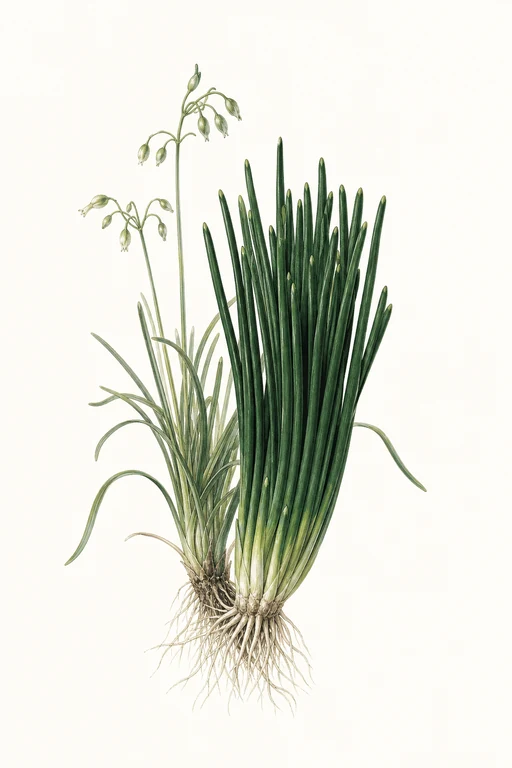
Sweet, crisp green stalks rise in tidy bunches, with a gentle onion perfume that feels bright and clean from the first harvest.
Ishikura forms slender, hollow-tubed greens with a tender snap and a mild, well-balanced bite—ideal for fresh use and for stirring into quick skillet favorites, as well as for garnishing and pickling where its delicate flavor stays lively. Grow it for a reliable 60-day rhythm of uniform bunches that look as good as they taste in the garden.
Light: Full SunMaturity: 60 DaysHabit: Upright
Planting schedules and alerts are optimized for Columbus (Zone 6b).
Crop Dates
| Milestone | Date |
|---|---|
| Start Indoors | Mar 14th |
| Last Frost | Apr 25th |
| Transplant / Sow Outdoors | Jun 13th |
| Harvest Begins | Aug 12th |
| Harvest Ends | Oct 16th |
Crop Details
| Trait | Value |
|---|---|
| Days to Maturity | 60 |
| Sun Requirements | Full Sun |
| Growth Habit | Upright |
| Support Needed | None |
| Planting Depth | Normal |
| Germination Temp (°F) | 70 |
| Min Soil Temp (°F) | 45 |
| Min Night Temp (°F) | 35 |
| Harden Off (days) | 7 |
Culinary Notes

Chef's Note
Ishikura’s slender hollow stalks give you maximum crunch with a mild onion bite—no harsh bite, no lingering sulfur on the tongue. It’s the kind of allium that earns its keep in quick heat (last-minute stir) and stays snappy when pickled.

Best Uses
- thinly slice for raw garnish on noodles, dumplings, or rice bowls
- stir-into quick hot pans at the last minute for a bright, non-bitter onion note
- use in fast pickles where the hollow greens stay crunchy
- fold into egg scrambles or ramen toppings for that fresh, tubular crunch

Flavor Profile

Kitchen Pairings
Frequently Asked Questions
What pest or disease commonly affects Allium fistulosum (Ishikura) and how do I control it?
How often should I water Ishikura bunching onions during active leaf growth?
How can I tell when Ishikura (Allium fistulosum) is ready to harvest?
Sowing Tips

Transplant Conditions
Wait until soil reaches 45°F and nights stay above 35°F before moving outdoors. Harden off for 7 days first.
Expert Note

For the longest tender harvest, keep plants evenly watered and feed lightly once they begin active growth—avoid letting them dry out between waterings.