
Italian Eggplant
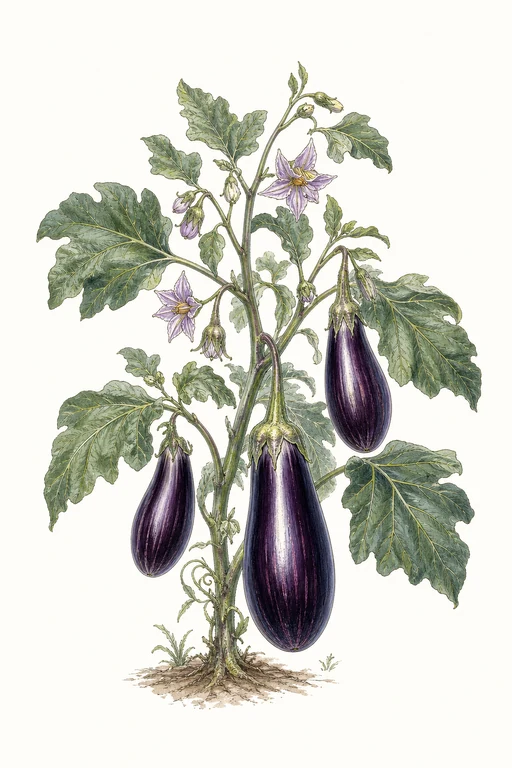
Sink your fork into Italian Eggplant’s glossy, inky-purple skin and tender, creamy interior—an unmistakably rich, velvety bite that begs to be grown for its flavor alone.
At maturity, plants bear slender, elegant fruits with a refined, satin sheen and a pleasantly firm texture that holds its character beautifully. Ideal for roasting and grilling, as well as for silky sauces and hearty casseroles, this is a garden favorite for turning abundance into bold, fragrant dishes.
Light: Full SunMaturity: 75 DaysHabit: Upright
Planting schedules and alerts are optimized for Columbus (Zone 6b).
Crop Dates
| Milestone | Date |
|---|---|
| Start Indoors | Mar 7th |
| Last Frost | Apr 25th |
| Transplant / Sow Outdoors | Jun 20th |
| Harvest Begins | Sep 3rd |
| Harvest Ends | Oct 16th |
Crop Details
| Trait | Value |
|---|---|
| Days to Maturity | 75 |
| Sun Requirements | Full Sun |
| Growth Habit | Upright |
| Support Needed | Stake |
| Planting Depth | Normal |
| Germination Temp (°F) | 80 |
| Min Soil Temp (°F) | 60 |
| Min Night Temp (°F) | 50 |
| Harden Off (days) | 10 |
Culinary Notes

Chef's Note
Italian Eggplant is built for that slow transformation: under high heat it gives up moisture and turns velvety, not spongy, so it carries sauces without weeping. Its subtle bitterness loves sharp, acidic counterpoints—tomato, balsamic, and garlic—while the creamy interior welcomes cheese and olive oil.

Best Uses
- hot-oven roasting until creamy and collapsing, then spooning with a bright finishing sauce
- grilling or broiling for charred, smoky flesh that stays tender without turning watery
- silky caponata-style chopped cooking where it melts into a sweet-sour relish
- thick eggplant slices for absorbing oil and holding shape in hearty casseroles

Flavor Profile

Kitchen Pairings
Frequently Asked Questions
What pest or disease is most likely to hit Solanum melongena (Italian eggplant), and what should I do if I see it?
How often should I water Italian eggplant during peak growth, and what soil moisture level should I aim for?
How can I tell when Italian eggplant is ready to harvest (Solanum melongena)?
Sowing Tips

Transplant Conditions
Wait until soil reaches 60°F and nights stay above 50°F before moving outdoors. Harden off for 10 days first.
Expert Note

Start warm and transplant only when nights are reliably above 50°F and soil is at least 60°F to avoid cold-stunting the tender fruit set.