
Jacob's Cattle Gold
Sun-warmed and luminous, Jacob’s Cattle Gold dry beans bring a mellow, buttery aroma and a clean, nutty flavor that feels both comforting and refined.
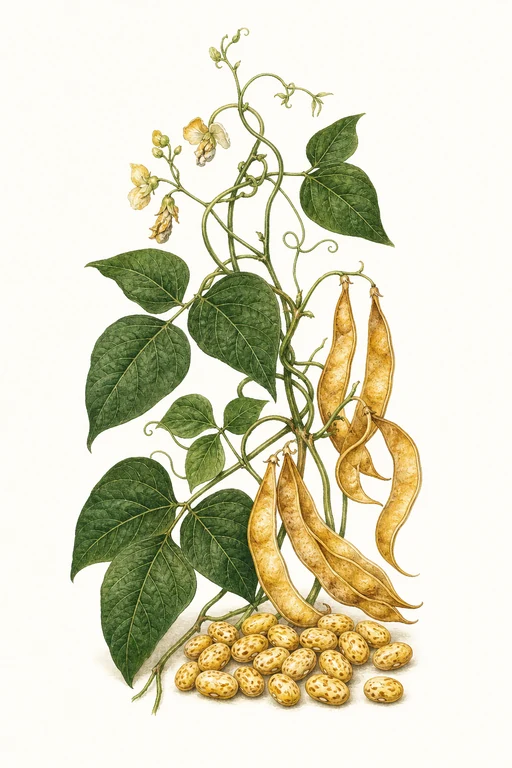
The seeds mature to golden-gold pods and then to handsome, cream-to-gold beans with a distinctive “cattle” speckle—smooth-skinned and satisfyingly firm in texture. Grow them for hearty dry-bean staples and for pantry-ready favorites that shine in slow-simmered recipes and savory blends.
Light: Full SunMaturity: 95 DaysHabit: Bush
Planting schedules and alerts are optimized for Columbus (Zone 6b).
Crop Dates
| Milestone | Date |
|---|---|
| Start Indoors | Direct Sow |
| Last Frost | Apr 25th |
| Transplant / Sow Outdoors | Apr 25th |
| Harvest Begins | Jul 29th |
| Harvest Ends | Oct 16th |
Crop Details
| Trait | Value |
|---|---|
| Days to Maturity | 95 |
| Sun Requirements | Full Sun |
| Growth Habit | Bush |
| Support Needed | None |
| Planting Depth | Normal |
| Germination Temp (°F) | 70 |
| Min Soil Temp (°F) | 60 |
| Min Night Temp (°F) | 50 |
| Harden Off (days) | Not Required |
Culinary Notes

Chef's Note
Jacob’s Cattle Gold earns its keep in recipes that treat beans like meat: give it a long, gentle simmer so it turns creamy inside while staying satisfyingly firm. The mellow nuttiness and smooth, gold tone make it especially good in smoky, garlicky braises and purées that need body without gumminess.

Best Uses
- slow-simmered dry-bean braises where the beans need to stay intact
- velvety purées and mash that hold a spoonable thickness
- pantry-ready soups and stews with aromatics and stock
- savory bean salads where you want a firm, not-starchy texture

Flavor Profile

Frequently Asked Questions
What pest or disease is most likely on Phaseolus vulgaris (Jacob’s Cattle Gold beans) and how do I control it?
How often should I water Jacob’s Cattle Gold during peak growth, and what soil moisture should I keep?
How can I tell when Jacob’s Cattle Gold beans are ready to harvest?
Sowing Tips

Transplant Conditions
Wait until soil reaches 60°F and nights stay above 50°F before moving outdoors.
Expert Note

Direct-sow dry beans after soil warms and keep watering steady until flowering; avoid disturbing the roots once established.