
Jacob's Cattle
Rich, earthy-sweet flavor blooms in each bean of Jacob’s Cattle, with a satisfyingly firm bite and a pleasantly creamy interior when cooked.
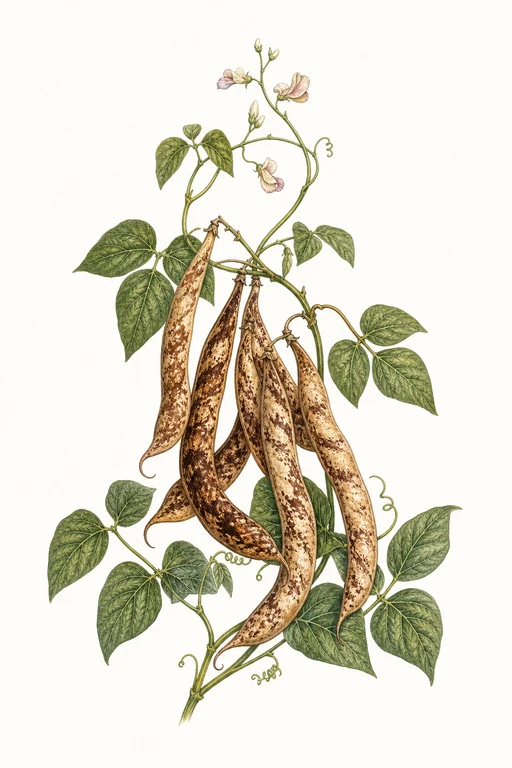
The distinctive mottled pattern—like a painter’s brushwork across the seed coat—adds visual delight as well as dependable performance in the field. Grow Jacob’s Cattle for hearty dry-bean staples, ideal for potfuls, thickening soups and stews, and beautifully textured bean purées and spreads.
Light: Full SunMaturity: 95 DaysHabit: Bush
Planting schedules and alerts are optimized for Columbus (Zone 6b).
Crop Dates
| Milestone | Date |
|---|---|
| Start Indoors | Direct Sow |
| Last Frost | Apr 25th |
| Transplant / Sow Outdoors | Apr 25th |
| Harvest Begins | Jul 29th |
| Harvest Ends | Oct 16th |
Crop Details
| Trait | Value |
|---|---|
| Days to Maturity | 95 |
| Sun Requirements | Full Sun |
| Growth Habit | Bush |
| Support Needed | None |
| Planting Depth | Normal |
| Germination Temp (°F) | 65 |
| Min Soil Temp (°F) | 60 |
| Min Night Temp (°F) | 50 |
| Harden Off (days) | Not Required |
Culinary Notes

Chef's Note
Jacob’s Cattle brings that classic dry-bean satisfaction: the outside holds up while the center turns creamy, so it doesn’t collapse into starch. It’s a go-to for soups, braises, and purées where you want beans to chew back—rich, earthy, and lightly sweet from the very first spoon.

Best Uses
- slow-simmered soups and hearty stews where the beans stay intact
- smoky-salt braises (pork, sausage, or mushrooms) for a creamy bite
- thick bean purées for dips and sandwich spreads
- handy bean mash for tacos or bowls with acidic toppings

Flavor Profile

Frequently Asked Questions
What pest or disease is most likely on Phaseolus vulgaris (Jacob’s Cattle), and how can I stop it?
How often should I water Jacob’s Cattle during the main growing phase?
How do I know when Jacob’s Cattle is ready to harvest?
Sowing Tips

Transplant Conditions
Wait until soil reaches 60°F and nights stay above 50°F before moving outdoors.
Expert Note

Plant Jacob’s Cattle (trout bean) directly outdoors once soil warms and keep the soil evenly moist until seedlings establish; dry beans hate transplant disturbance.